

TikTok Not Paying Creators? Diagnose the Missing Money
Missing creator earnings and failed payouts are different problems. Here is how to identify where money stopped—and what platform teams should make visible before creators need to ask.
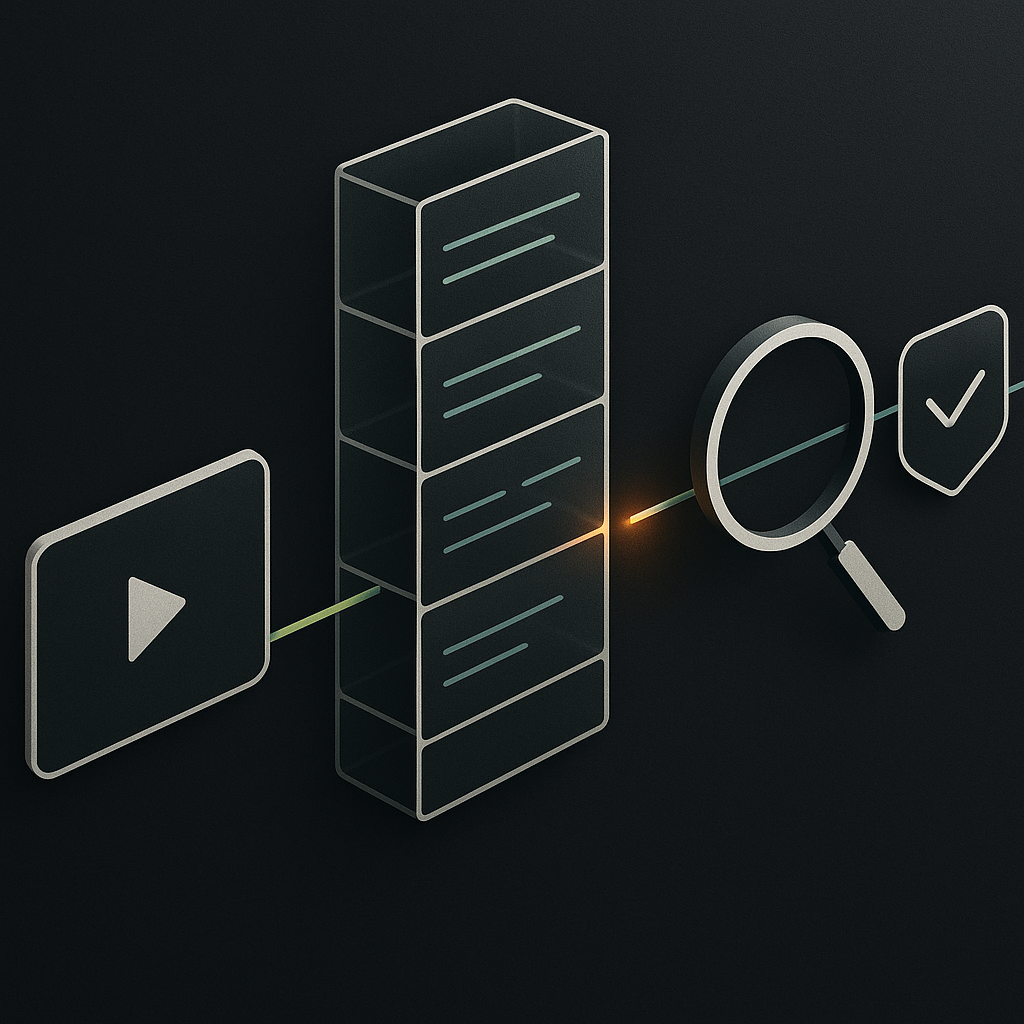
If TikTok is not paying a creator, the first question is whether earnings were generated, became payable, or were actually sent. Views alone do not guarantee Creator Rewards earnings. Program eligibility, video eligibility, qualified views, payment requirements, and transfer status can each explain a different kind of missing money.
That does not establish a platform-wide failure to pay. It means a creator needs to identify the affected program and the last confirmed stage before escalating. For product and operations teams at creator platforms, the same diagnostic approach reveals an important design principle: an earnings balance is not a payment receipt.
Start with the monetization program, not the view count
TikTok has multiple monetization mechanisms. Creator Rewards, LIVE-related earnings, Shop commissions, and brand agreements should not be treated as one payment stream. A requirement or payment schedule for one does not automatically apply to another.
Older advice can also describe a different program. TikTok’s Creator Fund support page directs creators away from the discontinued Creator Fund toward Creator Rewards. Troubleshooting current Rewards earnings using old Fund terms can therefore produce the wrong answer.
Under TikTok’s Creator Rewards Program guidance, rewards depend on eligible content and qualified views, not simply the public view counter. The guidance distinguishes original, qualifying videos from excluded content and excludes categories of views such as promoted, artificial, and very short views from qualified views.
The practical consequence: a popular video can generate fewer eligible views than its headline count suggests, or no Rewards earnings at all. That is an earnings-qualification issue—not evidence that an approved transfer disappeared.
Locate the missing money before choosing a remedy
Use the following diagnostic map. These are troubleshooting categories, not claims about TikTok’s internal systems or the exact status labels shown in every market.
| What the creator sees | Possible failure point | What to check | Appropriate next step |
|---|---|---|---|
| Views, but no earnings | Program or content eligibility | Enrollment, video eligibility, qualified views | Review the applicable rules and notices |
| Lower earnings than expected | Reward calculation or adjustment | Qualified views, RPM, reporting period | Compare equivalent periods and eligible content |
| Balance, but nothing payable | Finalization or release conditions | Balance type, applicable threshold, schedule | Identify the unmet release condition |
| Payment blocked or on hold | Account or payment requirements | Verification requests, payment setup, notices | Complete the stated action or request review |
| Payment sent, but not received | Transfer or receiving-account issue | Destination, reference, expected arrival | Request a payment trace |
No earnings: inspect eligibility before contacting a payment provider
Check whether the account is enrolled in the relevant program, whether the creator’s region is supported, and whether the affected video meets its requirements. Account eligibility and individual video eligibility are separate gates.
Originality requirements matter here. Reposted or lightly modified material can fail a program’s content rules even when it attracts substantial engagement. Review the specific disqualification notice and available appeal route rather than assuming every visible view should be monetized.
Lower earnings: separate volume from reward rate
For the RPM-based component, qualified-view volume and rewards per thousand qualified views are separate inputs. A decline in either can lower earnings; other reward components or adjustments can also affect the total.
Compare the same reporting period and the same kind of balance. A current estimate and a finalized prior-period payment are not equivalent. Third-party rate estimates are not a guaranteed TikTok tariff, and public view counts cannot reliably establish what a creator is owed.
Accrued earnings: verify the applicable payment conditions
A recorded balance may still be awaiting finalization, a payment date, or another release condition. Check the terms and payment information associated with the specific program and account region.
Be particularly careful with threshold claims copied from older articles. The legacy Creator Fund terms describe payment conditions for that Fund; they should not be used to establish a universal minimum or deadline for Creator Rewards, LIVE earnings, or Shop commissions.
Sent payments: switch from earnings review to transfer tracing
Once a payment is shown as sent, gather its reference, destination, currency, amount, and initiation date. Ask whether it was accepted by the payment provider, confirmed delivered, rejected, or returned. Those outcomes require different remedies.
An earnings appeal cannot resolve an incorrect payment destination. Equally, a receiving provider cannot determine whether a video deserved additional qualified views.
A checklist for creators reporting a missing payment
- Name the program. Identify the earnings stream rather than reporting only “TikTok money.”
- Capture the affected period. Save relevant earnings screens, video identifiers, account notices, and payment records.
- Label the missing amount. Is it expected revenue, an estimated balance, a payable balance, or an initiated transfer?
- Check required actions. Review payment setup and any identity, tax, or account requests shown through official channels.
- Check the applicable schedule. Use the program’s current, region-specific information rather than a generic online deadline.
- Request the right investigation. Ask for an eligibility explanation, calculation review, hold resolution, or transfer trace.
- Protect sensitive information. Submit documents only through official channels; never publish full account details or verification documents.
A useful support request is: “My account shows a payment as sent for this reporting period, but the destination account has not received it. Here are the payment reference and initiation date. Please confirm the transfer outcome and whether it was returned.” This gives support a concrete event to investigate.
What platform teams should learn from these complaints
The operational lesson is not to copy TikTok’s monetization rules. It is to stop making creators infer payment status from an ambiguous balance. A platform can calculate rewards correctly and still create a poor recipient experience if it cannot explain when those rewards become spendable money.
Show an earnings-to-payment record
Give creators a connected history that distinguishes estimated earnings, finalized earnings, holds, available funds, payment initiation, and confirmed outcomes. These are proposed design stages—not a description of TikTok’s architecture.
Each transition should retain its timestamp, reason, and relevant identifier. Adjustments should appear as explainable changes rather than silently replacing a previous balance. Where fraud controls limit disclosure, communicate the review status and permitted next step without revealing detection methods.
Connect payment prerequisites to this record. A well-designed creator payment onboarding portal can make missing documentation or payout details visible before they block release.
Assign an owner to each kind of dispute
Content eligibility belongs with the team responsible for monetization policy. Reward calculation needs access to earning events and rule versions. Release conditions require payment operations or compliance review. Missing transfers require provider references and reconciliation evidence.
Support should route cases using the last confirmed event, not the creator’s choice of complaint category. Measure disputes by stage so that calculation confusion is not mistaken for payment-provider failure.
Make promises that match the evidence
Do not label a transfer “received” merely because a provider accepted the instruction. Where recipient-credit confirmation is unavailable, say what is known and provide a realistic expected arrival window. The principles in building reliable payout ETAs help separate platform processing from downstream delivery.
Hypothetical example: A creator has finalized earnings, but release is blocked by an incomplete payment profile. Sending the case to bank-tracing support wastes time. Showing “Action required: complete payment details,” together with the effect on the next payout, turns an unexplained absence into a resolvable task.
Fix the explanation before promising faster payouts
“TikTok not paying creators” describes an experience, not a single diagnosis. Eligibility, calculation, release, and delivery must be investigated separately. Current program terms and account-specific evidence should take priority over legacy thresholds, reported average rates, or speculation about platform changes.
For platform teams, start by auditing whether every creator-visible balance has a clear meaning, every hold has an owner, and every initiated payment can be traced. Then evaluate execution infrastructure. Payouts.com’s payout automation supports automated mass payments across payment rails; it cannot decide another platform’s reward eligibility or recover a TikTok payment. Better payment infrastructure should support—not substitute for—a clear account of what was earned, what is payable, and what happened next.
Created with AI assistance. Sources are linked in the article; this content is general information, not legal, tax, or financial advice.
Discussion
33 commentsRelated resources

Creator Payment Onboarding Portal: How to Build a Self-Serve Flow That Collects Tax Docs, KYC, and Payout Preferences Before Day One
A poorly designed creator onboarding flow creates compliance gaps, delayed payouts, and frustrated talent. Here's a practical blueprint for building a self-serve portal that gets tax documentation, identity verification, and payout preferences locked in before Day One.
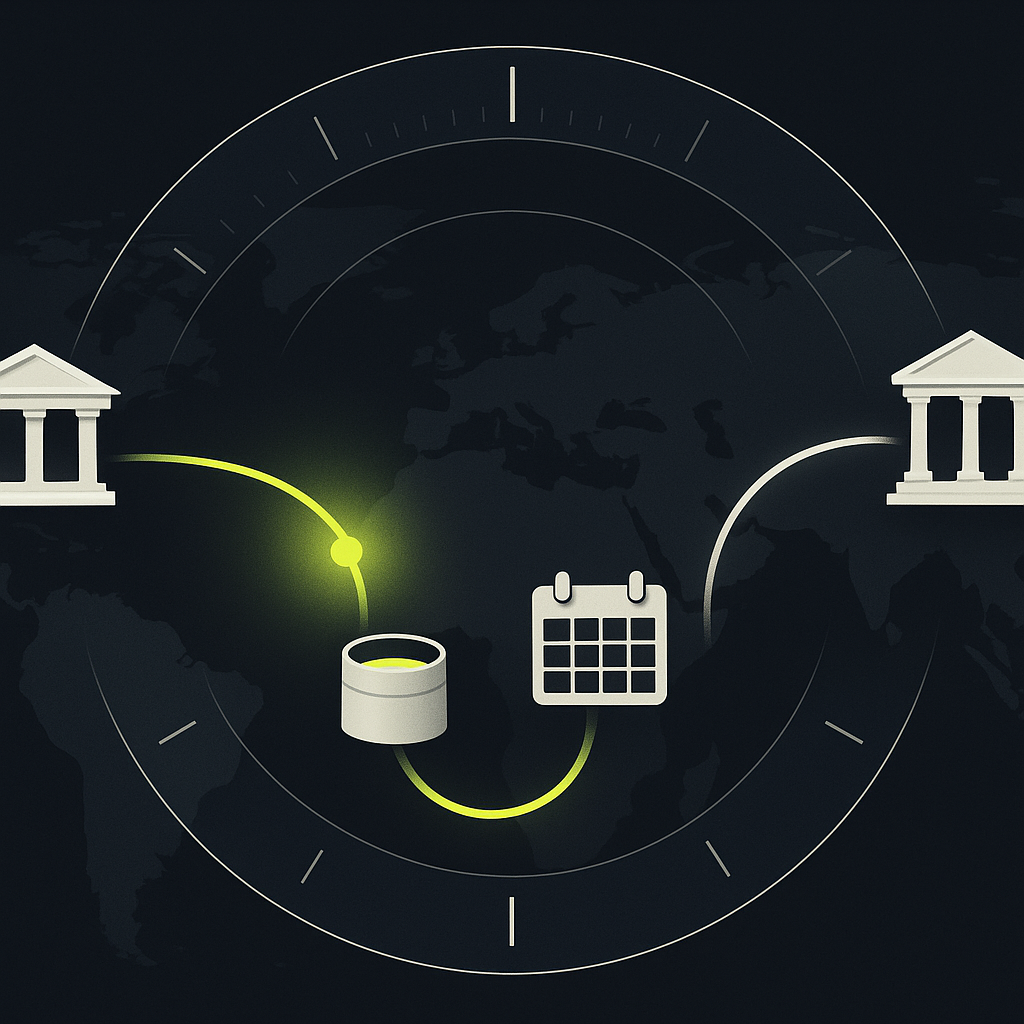
Payout Settlement Times by Country: Build Reliable Payment ETAs
An instant domestic rail does not make an international payout instant. Use this country reference and operating framework to set payment ETAs that account for funding, calendars, and recipient-bank availability.

IG Creator Fund: Lessons for Platform Incentive Design
The IG creator fund is not one universally available program. For creator platforms, that confusion reveals a practical challenge: turning promotional incentives into clear, funded payment commitments.
Run your entire money cycle on one ledger
Global payouts, AP/AR automation, and AI agents with their own wallets and spend limits.
Get started
The recommendation to check whether a payment was accepted, rejected, or returned by the provider is where most platforms drop the ball. We don't expose that status to the payee at all—they just see 'sent'—and then support has to manually query the PSP. If you're pushing ACH or international rails, that round trip can take days and the creator has no idea whether to wait or escalate.
We surfaced this by adding a webhook listener that writes return codes directly into the transaction record. The payee still sees 'sent' initially, but if the provider rejects it or returns it within the reconciliation window, the status updates to show the actual outcome and reason code. Cut our 'where is my payment' volume by about 40%.
We ran into the same problem and ended up building a payment status widget that polls our PSP's webhook events every 15 minutes and surfaces the actual rail response. Cut our 'where is my money' ticket volume by about 40% in the first month.
The part about locating the missing money before choosing a remedy is spot on. We waste so much time at month-end because our support team can't tell the difference between a calculation dispute and a failed ACH transfer. They escalate everything to finance, and half the tickets belong in product or ops. Would love to see the next article cover how to structure the handoff between teams once you've identified which bucket the issue falls into.
We added a forced triage step to the ticket form—literally a dropdown that says 'What stage is missing: earnings calculation, balance release, or transfer delivery?' It cut cross-department routing by about half in the first month.
We did something similar by adding stage tags at intake. The biggest unlock was training support to ask 'do you see a balance' and 'does the platform show it as sent' before routing. Cut finance escalations by half in the first quarter.
The 'earnings balance is not a payment receipt' line is something I wish every marketplace platform internalized. We've built AP automation for gig platforms and the number of disputes that trace back to confusing an accrual with a disbursement is staggering. The diagnostic map here would cut our investigation time in half if creators arrived with even two of those data points already identified.
Same issue with marketplace seller payouts. The worst part is when customer support has access to the same balance label the seller sees, so they just repeat 'your balance is X' without checking whether it's actually been finalized or released. The diagnostic map in the article would help teams understand what question to ask internally before responding.
We had the exact same problem with our dispute queue. Added a required radio button at ticket creation: 'earnings not showing' vs 'payment not received' vs 'earnings lower than expected'. Cut misdirected tickets by maybe 40% in the first month.
The checklist at the end is solid, but in practice the hardest part is getting creators to understand the difference between 'expected revenue' and 'payable balance' before they submit a ticket. We've been trying to surface that earlier in the UI but there's still a ton of confusion when thresholds or finalization windows kick in.
We solved this by adding a single inline tooltip next to every balance label explaining whether it's locked, pending finalization, or ready to transfer. Cut down confusion by about 40% in the first month. The key was being explicit about the *why* behind each state, not just the label.
We ended up splitting our balance widget into three distinct cards: 'Pending Review,' 'Releasing on [date],' and 'Available Now.' Even then, we still get tickets asking why they can't withdraw the first two. The real issue is that creators assume any number shown is theirs to move immediately.
The part about separating eligibility from payment delivery is critical. I've seen this blur constantly in our support queue—someone will escalate a "failed payout" when the actual issue is they never qualified for one in the first place. We started requiring agents to classify tickets into eligibility, calculation, release hold, or transfer failure before routing, and resolution time dropped by almost half because the right team gets it immediately instead of bouncing between finance and product.
We took a similar approach and it made a huge difference in ticket routing. The problem is that eligibility logic changes frequently enough that agents also need version history—otherwise they're applying current rules to old reporting periods and getting the classification wrong anyway.
We did the same classification exercise and found about 60% of 'payment failed' tickets were actually eligibility questions or balance threshold confusion. The hard part was training both support and the users to treat those as fundamentally different workflows.
The suggestion to 'use the program's current, region-specific information rather than a generic online deadline' is harder than it sounds when platforms don't version their support docs or flag when terms change. We've had to build internal change tracking for payout partner documentation because creators (and our own support team) were constantly citing outdated thresholds or schedules that had been silently updated.
We handle this by versioning every partner integration doc and flagging deprecated fields in our API response headers. Doesn't solve the creator-facing problem, but at least our support team can reference exactly which terms applied when the payment was initiated.
We faced the same issue with card network rule changes. Our solution was to embed effective dates and sunset warnings directly in the API response headers for deprecation notices, not just docs. Still doesn't solve the creator-facing problem though—they're reading cached blog posts, not your changelog.
The diagnostic map should be standard for any platform with more than one revenue stream. We built something similar for freelancer payouts and immediately saw support ticket volume drop by about half once we could route 'I wasn't paid' into six distinct workflows. The hardest part wasn't the taxonomy—it was getting product to expose enough state so users could self-diagnose without opening a ticket.
What was your taxonomy structure? We're dealing with this now across Shop commissions, Creator Rewards, and LIVE earnings and can't decide whether to route by program first or by failure stage (eligibility vs. qualification vs. transfer). The taxonomy matters more than we expected because it shapes how both support staff and the backend search for answers.
The taxonomy is half the battle. The other half is making sure every customer-facing balance label maps 1:1 to one of those workflows. We had 'pending', 'processing', and 'in review' all routing to different teams until we realized they described the same hold state in three programs.
The diagnostic map is useful, but the underlying issue is that creators are being asked to troubleshoot a financial system they can't see into. If TikTok knows a view wasn't qualified, that signal should be surfaced at view time, not 30 days later when someone is trying to reverse-engineer why their balance is lower than expected. The real fix here is instrumentation, not better escalation workflows.
This is the right framing. Real-time qualification signals would prevent most escalations, but the engineering cost is significant—you're essentially running dual accounting, one for display and one for settlement. Most platforms defer that investment until support volume forces it.
Completely agree. We ran into this exact problem when building payout visibility for marketplace sellers. The solution was adding a preliminary eligibility indicator before finalization—not perfect, but it cut support volume by about 40% and moved most conversations from "where's my money" to "why didn't this qualify." The tradeoff is you need to accept showing estimates that might still change.
This is a good framework, but I'd add one thing: the RPM opacity issue cuts both ways. When platforms don't publish even a range or methodology, creators fill the void with Reddit threads and outdated screenshots, which makes reconciliation nearly impossible. We publish settlement logic for our vendor payouts precisely to avoid this diagnostic spiral every month.
We've had the same problem with marketplace seller payouts. Publishing even a simplified version of the rate calculation reduced disputes by about 40%, but it also surfaced edge cases we hadn't anticipated. The trade-off is real—you get better trust but also more pointed questions about the methodology itself.
Agreed on the reconciliation problem. We ended up publishing calculation examples tied to anonymized real payment scenarios, which helped more than generic rate cards. The trick is showing enough to make the logic auditable without creating a gaming incentive or exposing competitive rates across cohorts.
The distinction between accrued and payable earnings is something every platform finance team should tattoo on their forehead. We've seen this exact confusion across marketplace providers—users see a balance and assume it's money they can claim immediately, when threshold and hold requirements haven't been met. The diagnostic map you laid out here would save our support team dozens of hours per week if it were templated into the ticket flow.
We learned this the hard way when migrating from daily to monthly payouts. The biggest mistake was using generic labels like 'balance' instead of explicitly showing 'pending finalization' vs 'next scheduled payout.' Support volume dropped 40% once we separated those statuses in the UI.
Exactly this. We built a similar tiered balance system for gig economy payouts and the support volume dropped 40% once we stopped showing estimated earnings alongside actual payable amounts. The label matters more than people think—'pending finalization' prevents a lot of premature escalations.
curious how many of these 'missing payment' cases are actually just the creator not understanding qualified vs total views. we built an internal dashboard that shows gross vs net earnings at the transaction level and it cut disputes by maybe 60%. transparency before the invoice is way cheaper than resolution after.
Same experience here. The other side of this is that once you surface the qualified view delta, you need clear documentation explaining *why* views were excluded or you just shift the dispute to a different question. We ended up adding hover tooltips with exclusion reasons at the video level.
We saw the same pattern with affiliate payouts. Once we exposed click-to-qualified-click conversion in real time, the volume of 'where's my money' tickets dropped hard. The trick was surfacing disqualifications at the transaction level with a reason code, not just showing a summary delta.