

Do You Have to Pay to Be an OnlyFans Creator?
Starting an OnlyFans creator account is free, but earning revenue comes with a platform commission. Here is how to separate mandatory fees, optional business expenses, and the money that actually reaches your bank.

No—you do not have to pay an upfront signup fee to be an OnlyFans creator. OnlyFans instead takes a 20% platform fee from creator earnings, leaving creators with 80% before other applicable costs and taxes. That distinction is supported by Outseeker’s breakdown of the creator fee: joining is free; earning revenue triggers the commission.
However, “free to join” does not mean “free to run a business.” Equipment, outside management, bank charges, currency conversion, and taxes can affect what you keep. For creators, the useful question is not just whether signup costs money, but how much revenue becomes spendable income. For platform operators, it is a lesson in explaining fees without confusing earnings with cash.
The platform-specific details here reflect secondary reporting available in November 2026. Check OnlyFans’ current terms and the payout options displayed in your account before committing money; these sources are not a substitute for its official rules.
What does OnlyFans charge creators?
The reported model is a revenue share, rather than a recurring creator membership charge. The 20% commission applies to monetized activity such as subscriptions, tips, and pay-per-view purchases. An account with no earnings does not generate a platform commission.
A free-to-subscribe page is not exempt. “Free” describes what fans pay to follow the page, not whether the platform takes a share of paid transactions on it.
| Cost category | Required to start? | Effect on your money |
|---|---|---|
| Creator signup | No upfront fee | No signup deduction |
| Platform commission | Applies when you earn | 20% of covered earnings |
| Equipment and software | No mandatory purchase identified | Depends on your production choices |
| Agency or management services | Optional | Separate contractual expense |
| Bank and currency conversion costs | Depends on payout route | May reduce received cash |
| Taxes | Depends on your circumstances | Separate from the platform fee |
Do not automatically add a generic card-processing percentage to the commission when budgeting. The supplied fee reporting describes payment processing as included in OnlyFans’ share. Receiving-bank charges or conversion costs are a different layer and should be checked separately.
Do you need to buy a subscription or hire an agency?
A fan subscription is a purchase of access to another creator’s content—not a creator signup fee. Likewise, paid coaching, promotion, account-management services, and production tools are separate purchases, not the platform commission.
If someone asks for an “activation” or “verification” payment, establish who is charging it and why. Confirm any purported platform requirement through your account or official support before paying. Free signup does not eliminate identity-verification requirements, but a third party’s service charge should not be mistaken for an OnlyFans fee.
What do you actually keep? A hypothetical example
Illustration, not an earnings forecast: assume a creator receives $1,000 in payments subject to the reported 20% commission. Ignore transaction taxes, reversals, and other adjustments for this initial calculation.
- Payments subject to the fee: $1,000.
- Platform commission: $200.
- Creator share before other expenses and taxes: $800.
The $800 is neither guaranteed profit nor necessarily cash available to withdraw immediately. It is the creator’s share after the platform commission under these assumptions.
For planning, use this calculation:
Creator share − payout and conversion costs − operating expenses − applicable taxes = money retained.
Track refunds and chargeback adjustments separately when they occur. Do not assume every payment will remain permanently available, or deduct an imagined adjustment before checking the account record.
Calculate an agency fee on the correct base
An agency charge can materially change the economics. The critical contract detail is whether its percentage applies to fan payments before the platform fee or to creator earnings after it. Vicesnob’s agency commission analysis highlights this gross-versus-net distinction.
In the illustration above, those possible bases are $1,000 and $800. The same contractual percentage produces different charges depending on which base applies.
Before signing, ask for a worked settlement statement showing the calculation base, treatment of refunds, reimbursable expenses, and when payment is due. A percentage without a defined base is not a complete price.
A payout delay is not another fee
Money can belong to a creator without being immediately withdrawable. Keep three concepts separate:
- Commission: an amount deducted from earnings.
- Pending funds: earnings not yet available for withdrawal.
- Withdrawal minimum: a balance requirement for requesting payment, not a charge.
Supercreator’s payout guide describes a pending period commonly around seven days and a withdrawal minimum often around $20. Treat those as indicative, not universal: confirm the rules for your account, country, and available payout method. A funds-release period also does not necessarily include the time a bank needs to credit a transfer.
For a smaller creator, a withdrawal minimum can matter more to cash flow than the commission percentage. Revenue below the applicable threshold may not yet fund an expense, even though it appears in the account. Budget recurring costs against received cash, not just displayed earnings.
Other costs to budget without overspending
Production and promotion
Cameras, lighting, editing software, and paid promotion are business choices. Start by identifying what existing equipment can do. Then evaluate a purchase against a specific need rather than treating professional equipment as an entry requirement.
Include your time in the decision. A page can be free to launch while taking substantial effort to produce content, communicate with subscribers, and administer finances. Free access does not guarantee demand or profitability.
Taxes and records
The platform commission is not a substitute for taxes. Income-tax obligations, allowable expenses, reporting requirements, and any withholding depend on jurisdiction and individual circumstances.
Keep records of gross earnings, platform deductions, adjustments, withdrawals, conversion charges, and business purchases. A bank deposit alone may not explain taxable income or deductible expenses. Ask a qualified local adviser how the records should be treated rather than applying a universal tax percentage.
A practical checklist before you spend
- Confirm the platform fee. Read the current creator terms and identify which transactions it covers.
- Separate required and optional charges. Identify whether each invoice comes from OnlyFans, a bank, or an outside service.
- Check withdrawal conditions. Verify the available method, minimum balance, release period, and receiving currency.
- Build a net-income estimate. Start with the creator share, then subtract your actual expected expenses—not competitors’ income claims.
- Review any management contract. Define the commission base and responsibility for adjustments and expenses.
- Reconcile the first payment. Compare account earnings, deductions, the withdrawal amount, and the bank credit before scaling spending.
What creator platforms should learn from this question
“Do I have to pay?” often signals uncertainty about several different money events. Platform product and operations teams should show the revenue split, current balance status, withdrawal conditions, and known payout costs separately.
That requires more than a pricing page. A creator statement should make it possible to trace a payment from gross earnings through deductions to settlement. Our guide to marketplace split payments explains why allocating revenue and settling a recipient’s funds are distinct operations.
The bottom line: OnlyFans is free to join as a creator, but the reported platform commission is 20% of earnings. Before paying for tools or services, calculate what remains after that share and verify when you can receive it. Teams building a similar payee experience can explore Payouts.com’s creator economy payment solutions for managing creator payouts across borders and payment rails.
Created with AI assistance. Sources are linked in the article; this content is general information, not legal, tax, or financial advice.
Discussion
3 commentsRelated resources
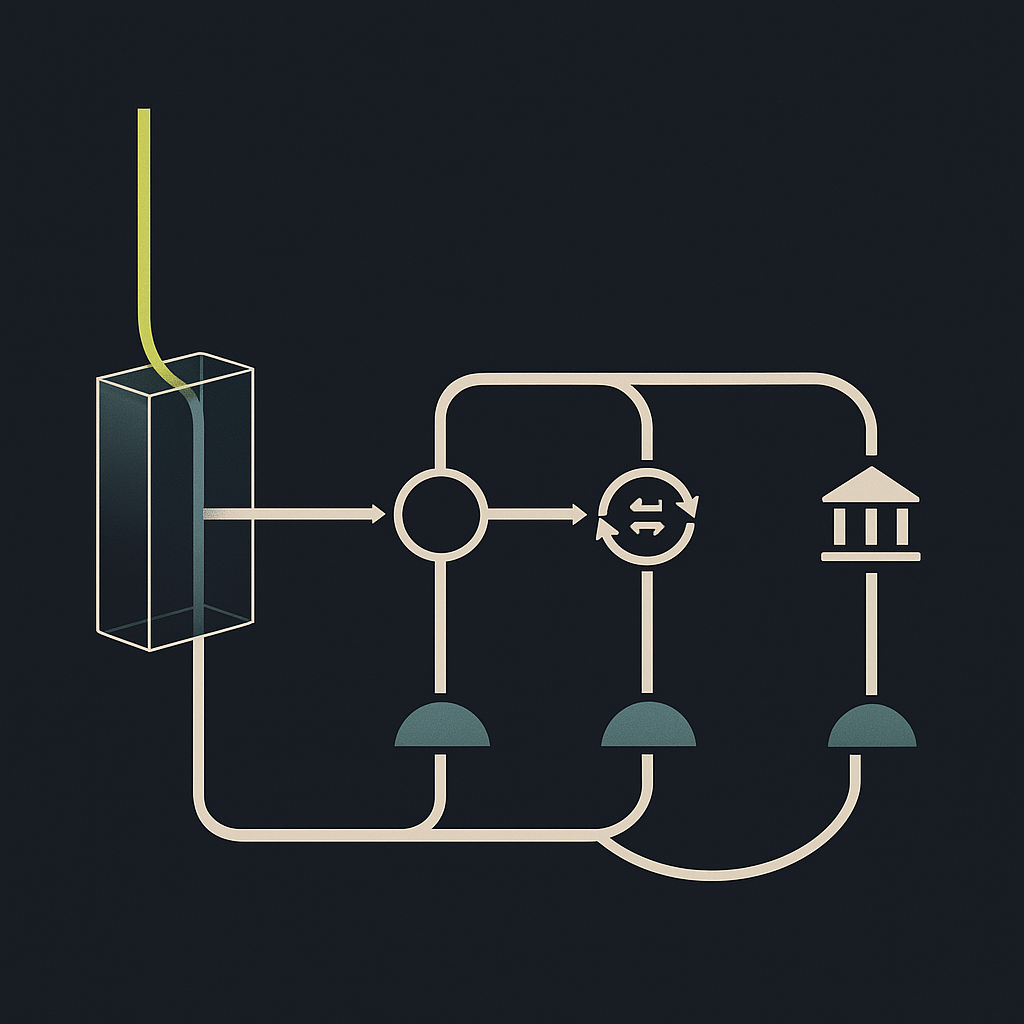
Marketplace Split Payments: From Checkout to Seller Settlement
Splitting a checkout payment is only the start. Build a marketplace money flow that keeps seller entitlements, release conditions, FX, and refunds connected through settlement.

How to Withdraw Shopee Affiliate Commission: A Practical Guide
Receiving Shopee affiliate commission is not always a manual withdrawal. This Philippines-focused walkthrough explains payment setup, billing checks, and how to trace the money to your receiving account.

OnlyFans Creator Payment Methods: Choosing a Withdrawal Route
OnlyFans withdrawal options depend on the creator’s country and account. Learn how to compare bank transfers and wallets by eligibility, total cost, and time to usable money.
Run your entire money cycle on one ledger
Global payouts, AP/AR automation, and AI agents with their own wallets and spend limits.
Get started
Appreciate the distinction between pending funds and withdrawal minimums. Too many platform docs conflate hold periods with actual fees, which makes cash forecasting impossible for smaller merchants. Would be useful to know if OnlyFans exposes this via API so creators running multiple revenue streams can automate their treasury view.
The gross-versus-net agency fee point is exactly the kind of detail that gets overlooked until someone's first reconciliation. We see this constantly with affiliate platforms—contract says 15% but doesn't specify whether it's on platform disbursement or original transaction amount, and suddenly the math is off by thousands.
20% commission with processing included is actually competitive compared to some creator economy platforms that layer Stripe fees on top of their cut. The real cost driver for international creators is going to be FX and correspondent banking—have you seen what intermediary deductions look like on a $300 wire to certain corridors?