

Meesho Affiliate Commission: Rates, Validation, and Net Pay
Meesho affiliate commission depends on the program route and qualifying sale—not just an advertised percentage. Here is how to verify rates, explain pending earnings, and connect approved commissions to payouts.

There is no single publicly verified Meesho affiliate commission rate that applies to every creator and order. Third-party offers advertise figures such as 15% or “up to 25%,” but these are channel-specific claims, not a universal Meesho Creator Club rate. Check the applicable product or campaign terms in the account that generated your affiliate link before forecasting earnings.
The research available as of November 7, 2026 did not establish an accessible official Meesho rate card. It also contained conflicting commission and settlement figures. This guide therefore separates advertised offers from terms you must verify. Its scope is Meesho’s India-focused affiliate ecosystem, not a global creator payout program.
For creators, the practical question is what a qualifying order will actually earn. For marketplace product and operations teams, the lesson is equally important: a percentage is incomplete without an eligible sales basis, validation rules, and an identifiable party responsible for payment.
What do advertised Meesho commission rates mean?
EarnKaro’s Meesho affiliate guide advertises 15% commission, while GrabCash advertises up to 25%. These descriptions establish what those intermediaries promote; they do not establish what every Meesho creator receives.
A higher advertised ceiling does not necessarily produce higher net earnings. It may apply only to selected products, customer segments, or campaigns. The eligible transaction value and order rejection rules can matter as much as the headline percentage.
Keep the direct and intermediary routes separate:
- Direct Creator Club participation: Verify the rate and payment conditions in the direct program’s current terms and creator account.
- Third-party affiliate participation: Verify the offer in the network account used to generate links. That network’s reporting, validation, and withdrawal conditions may govern your experience.
- Reseller or referral activity: Do not assume a resale margin or referral reward follows affiliate commission rules. They are different earning mechanisms.
Cuelinks’ guide discusses direct-program eligibility and alternatives for smaller creators. Use that distinction when choosing a route, but verify current acceptance criteria with the program itself rather than treating a secondary guide as an enrollment guarantee.
Verify the commission contract, not just the percentage
Before publishing links or budgeting campaign income, capture the terms that determine the payable amount. A useful verification record looks like this:
| Item to verify | Question to resolve | Why it matters |
|---|---|---|
| Program route | Direct or named intermediary? | Identifies the responsible party |
| Product eligibility | Does this item qualify? | Avoids assuming catalog-wide coverage |
| Applicable rate | Which rate applies to this sale? | Separates ceilings from entitlements |
| Commission basis | Which order components count? | Determines the calculation amount |
| Attribution | What makes the referral eligible? | Explains uncredited orders |
| Validation | How do returns affect earnings? | Separates estimates from approval |
| Withdrawal conditions | What threshold and holds apply? | Determines payment readiness |
| Payment method | Which destination is supported? | Determines how funds arrive |
Do not fill missing fields with another network’s terms. A tracking window, minimum withdrawal amount, or payment method offered by an intermediary is not automatically a Creator Club rule.
Use the right calculation basis
Estimated commission = eligible transaction value × applicable commission rate.
“Eligible transaction value” is the important qualification. Verify whether discounts, taxes, shipping, and excluded items affect the base. Do not multiply the percentage by the full checkout total unless the terms explicitly support that calculation.
Approved earnings can then differ from the estimate because of returns, cancellations, attribution decisions, or other documented exclusions. Cash received may differ again because of applicable withholding, disclosed charges, or adjustments. Show these separately rather than hiding them inside an unexplained “net commission” figure.
Why a tracked sale is not yet payable commission
The supplied research describes confirmation after the buyer’s return window and order validation, but it does not establish one authoritative timetable across direct and network participation. A weekly payment cycle, where offered, would not mean every new sale becomes payable that week.
Distinguish the following stages when reading a dashboard or designing one. These are recommended operational categories, not verified Meesho interface labels:
- Tracked: A transaction has been associated with an affiliate link. It may still fail validation.
- Pending validation: Eligibility, delivery, returns, or attribution checks remain unresolved.
- Approved: The commission is accepted under the applicable rules, but withdrawal conditions may remain.
- Payment eligible: Required verification, thresholds, and holds have been satisfied.
- Released: A payment instruction has been submitted.
- Received: Funds have reached the recipient’s account.
This separates three different clocks: sale-to-validation, validation-to-release, and release-to-receipt. A fast transfer method can shorten the last interval; it cannot eliminate the first two.
For India-based participation, confirm the supported destination in the actual account. Do not assume that a network’s UPI option is available through the direct program, or that Indian program access implies support for overseas beneficiaries.
A checklist for missing or lower-than-expected earnings
Start with the earliest unresolved stage rather than immediately escalating to the receiving bank.
- No tracked sale: Check the link’s originating account, product eligibility, attribution conditions, and the stated reporting delay.
- Lower commission: Compare the applicable rate and eligible transaction value with your estimate. Check for item-level exclusions or adjustments.
- Pending commission: Identify the remaining validation condition and the timeline stated by your program or network.
- Approved but unavailable: Check withdrawal thresholds, identity verification, payment details, and account holds.
- Released but not received: Request the payment reference, release date, destination confirmation, and transfer status.
For a support request, retain the affiliate transaction identifier, relevant order identifier, campaign terms, status history, and any payment reference. Send sensitive account information only through the program’s authenticated support process. A screenshot of an advertised rate is useful context, but it does not prove that a particular order qualified.
What marketplace teams should learn from rate ambiguity
The design problem is not simply how to display a commission percentage. It is how to make every approved amount explainable without a support agent reconstructing the transaction.
Preserve the rule that produced the earning
Store the program route, campaign, eligible product, rate version, effective dates, commission basis, and attribution outcome against each earning. Apply the contractual rule for when a rate becomes binding rather than silently recalculating old transactions with today’s rate.
When an order changes, record an adjustment with a reason and a link to the original earning. Avoid overwriting the original amount. This gives creators a usable explanation and finance teams a reconciliation trail.
Separate creator earnings from seller proceeds
An affiliate commission and a seller’s settlement can arise from the same purchase without becoming payable together. They are distinct obligations with different conditions. The accounting distinction explored in marketplace split payments is useful here: allocating value is not the same as releasing money.
Make payment readiness visible before release
Collect required identity and destination details early, then show any unresolved blockers separately from commercial validation. A creator payment onboarding portal can organize that process without implying that completing verification guarantees commission approval.
For small-recipient payouts, aggregation may reduce payment overhead, but it also delays access to earnings. Make minimum balances, carried-forward amounts, and the next eligible release condition explicit.
Turn the headline rate into an explainable payout
The useful answer to “What is the Meesho affiliate commission?” is the rate attached to your eligible transaction under your specific program—not the largest percentage found in search results. Verify the route, calculation basis, approval conditions, and withdrawal rules before treating an estimate as cash.
For platform teams, the next step is to audit whether every earning can be traced from campaign terms to validation and payment receipt. Once that entitlement is clear, explore Payouts.com’s affiliate payout solutions for automating disbursement. Payment infrastructure should execute approved obligations; it cannot resolve an ambiguous commission contract.
Created with AI assistance. Sources are linked in the article; this content is general information, not legal, tax, or financial advice.
Discussion
3 commentsRelated resources

Creator Payment Onboarding Portal: How to Build a Self-Serve Flow That Collects Tax Docs, KYC, and Payout Preferences Before Day One
A poorly designed creator onboarding flow creates compliance gaps, delayed payouts, and frustrated talent. Here's a practical blueprint for building a self-serve portal that gets tax documentation, identity verification, and payout preferences locked in before Day One.
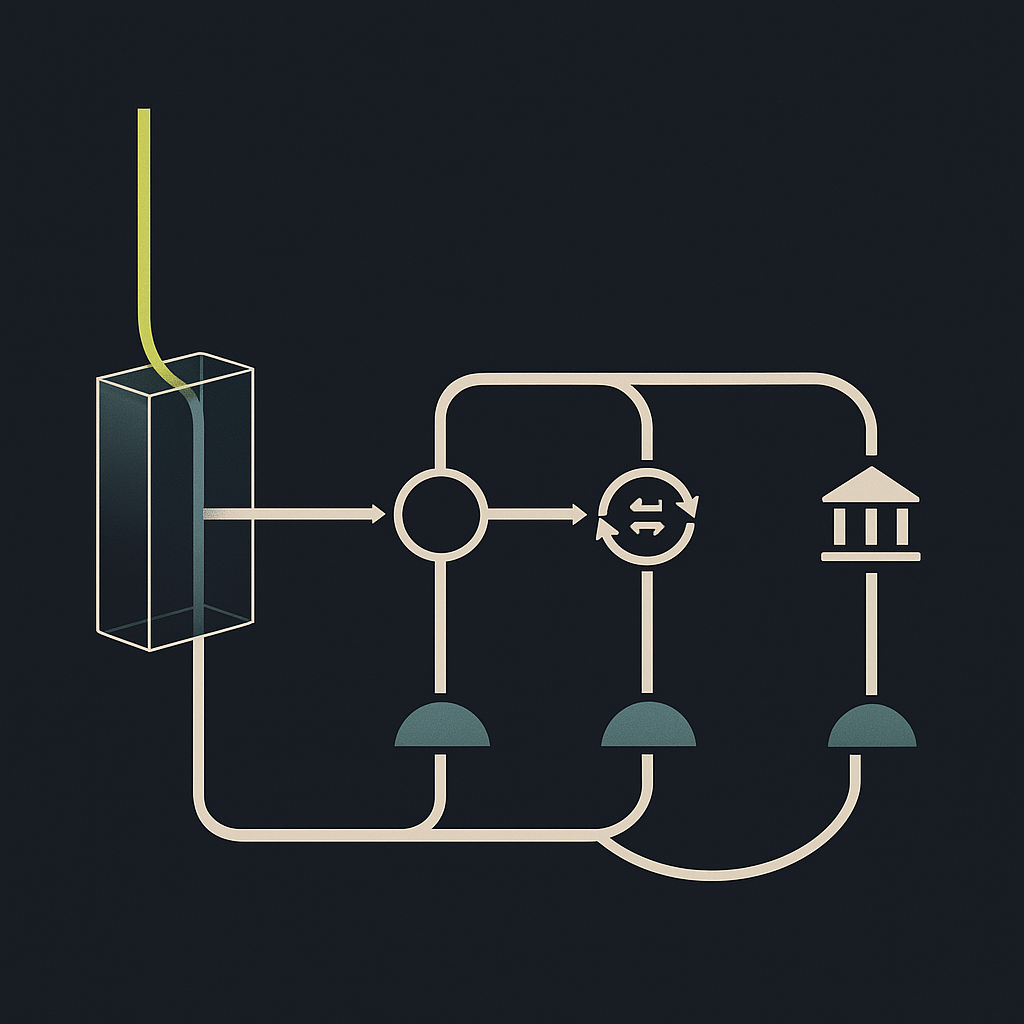
Marketplace Split Payments: From Checkout to Seller Settlement
Splitting a checkout payment is only the start. Build a marketplace money flow that keeps seller entitlements, release conditions, FX, and refunds connected through settlement.
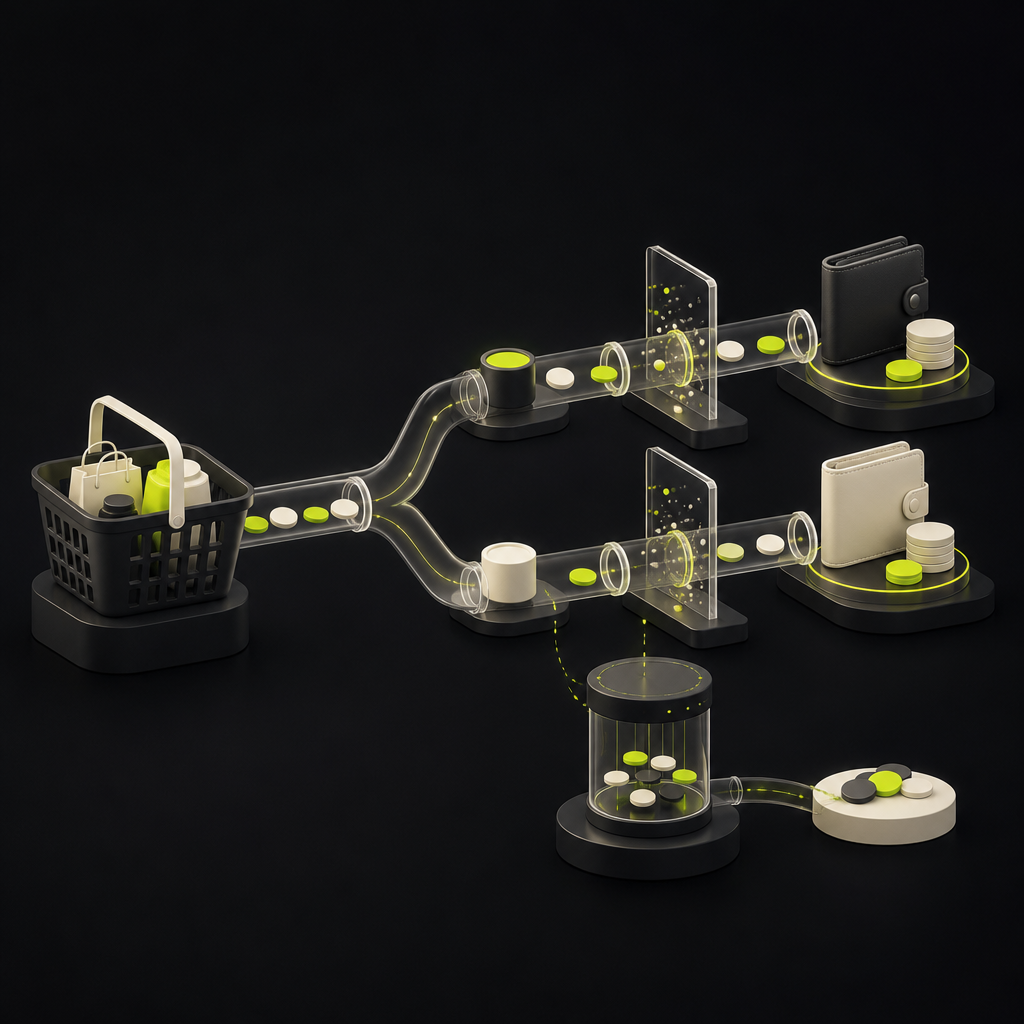
Walmart Affiliate Commission Rates: What Actually Becomes Payable
Walmart’s standard affiliate program is generally described as paying 1%–4%, but Creator offers and promotional rates need separate verification. Here’s how to distinguish headline rates from commissions you can actually budget and pay.
Run your entire money cycle on one ledger
Global payouts, AP/AR automation, and AI agents with their own wallets and spend limits.
Get started
I appreciate the separation of tracked/pending/approved/eligible/released/received stages. We built a creator payout dashboard last year and collapsed everything after approval into one "processing" status, which generated exactly the support tickets you'd expect. The clocks are different and users need to see that.
Quick question on the eligible transaction value piece: have you seen platforms actually document whether their advertised commission percentages apply pre-tax or post-tax, and whether shipping is in or out? Most contracts I've reviewed are silent on this and it only surfaces during the first dispute.
The table at "Item to verify" is exactly what we should be asking our marketplace partners when we onboard them for payouts. We treat attribution windows and commission basis as someone else's problem until reconciliation breaks and suddenly it's our variance to explain.