

Payroll Fraud Prevention for Global Payment Operations
Payroll fraud prevention requires more than checking a payroll register. Connect worker eligibility, approved earnings, verified payment destinations, and settlement evidence without disrupting legitimate wages.

Payroll fraud prevention means verifying who is entitled to pay, what they earned, and where the money will go—then preventing unauthorized changes before disbursement. The essential controls are independent worker verification, separation of duties, trusted-channel confirmation of bank-detail changes, pre-payment exception checks, and reconciliation back to approved payroll.
For finance teams paying an international workforce, the difficult part is keeping those controls connected across HR systems, local payroll providers, treasury, and payment rails. A correct payroll calculation can still reach a fraudster’s account. Conversely, a verified bank account does not prove that the worker or earnings are legitimate.
The operating principle is simple: verify entitlement and destination separately, then bind both to the payment instruction.
Where payroll fraud enters the money cycle
Payroll fraud involves intentional manipulation of worker records, earnings, or disbursement instructions to obtain unauthorized money. It differs from an accidental payroll error, although both can produce similar alerts. An exception should trigger investigation, not an automatic accusation.
Intuit’s overview of payroll fraud describes familiar schemes such as ghost employees and falsified hours. In global operations, these risks extend across systems: an invented worker may enter through HR, inflated hours through timekeeping, and diverted wages through a payment portal.
| Risk | Entry point | Preventive control | Evidence to retain |
|---|---|---|---|
| Ghost worker | Hiring or reactivation | Independent employment verification | Approved hire and manager confirmation |
| Inflated hours or bonuses | Timekeeping or earnings input | Approval against work and compensation records | Timesheet and bonus authorization |
| Unauthorized pay increase | Compensation master data | Effective-dated, independent approval | Old rate, new rate, and approver |
| Salary diversion | Bank-detail change | Trusted-channel worker confirmation | Verification and destination version |
| Duplicate disbursement | Retry or off-cycle run | Check original obligation and payment status | Linked original and replacement instructions |
Contractor payments can present similar identity and diversion risks, but contractors are not automatically employees. Keep employment classification, tax treatment, and approval workflows distinct while checking for suspicious overlap between worker and supplier records.
Establish who is entitled to payment
Separate a valid identity from a valid employment relationship
An identity document may establish that a person exists. It does not establish that the organization hired them, that they performed work, or that the proposed compensation is authorized.
Require an approved hiring record, accountable manager, employing entity, start date, and compensation basis before activating payroll. Independently authorize reactivations and transfers between employing entities. For contractor engagements, use the approved contract and evidence of accepted work rather than treating inclusion in an HR directory as sufficient.
Reconcile payroll against HR status and approved earnings each cycle. Terminated-worker payments need particular care: final wages, commissions, and severance may be legitimate. Flag unexplained post-termination earnings rather than blocking every payment after an end date.
Split authority across the workflow
No individual should be able to create a worker, change their compensation, replace their bank account, and release the resulting payment without independent review. Apply that separation to administrators, service accounts, and outsourced providers—not just payroll clerks.
In a small team, use a reviewer outside payroll operations for sensitive changes and release approval. Review actual permissions periodically; a documented policy cannot compensate for unrestricted system access. Use multi-factor authentication and promptly revoke access when responsibilities change.
Treat bank-detail changes as a separate risk decision
A convincing email is not sufficient evidence for redirecting wages. Neither is access to a worker portal if the account may be compromised. PrimePay’s payroll security guidance emphasizes access safeguards and verification of sensitive payroll changes.
Build a bank-change workflow with these requirements:
- Authenticate the request. Use an approved channel with step-up authentication for sensitive changes.
- Confirm independently. Contact the worker through a previously established channel, not a phone number or address supplied in the change request.
- Validate the destination. Check required fields and use account-name or ownership checks where available. Record what the check actually establishes.
- Require independent approval. The person entering the change should not approve it.
- Notify through an existing channel. Tell the worker that payment details changed and provide a clear way to report an unauthorized update.
Account-format validation proves neither ownership nor entitlement. Likewise, a successful test transfer shows that a destination can receive funds; it does not independently establish who controls it.
Set a documented verification cutoff that leaves time before the wage deadline. If a change remains unresolved, use a lawful, verified contingency agreed with payroll and the worker. Do not automatically reuse an old account that may be closed or compromised, or withhold legally due wages indefinitely.
Preserve verification across countries and rails
Global payroll controls need a country-and-rail data specification. Capture the beneficiary name, destination country, currency, account identifier, routing information, and any required local fields. Keep sensitive identity data restricted to systems and staff that need it.
For example, US ACH instructions typically use a routing number and account number, while many European bank payments use an IBAN. These are routing requirements, not universal ownership checks. The country-by-country bank payment guide provides related context for contractor payout data; employee payroll still requires separate local employment and payroll review.
Record validation capabilities by corridor and provider. Where name matching is available, define how to handle transliteration, name order, and joint accounts. Where it is unavailable, document the alternative verification method rather than labeling a basic format check as identity verification.
A fallback rail also needs review. Moving a rejected bank payment to a wallet or another account changes the destination or payment method and may require renewed authorization. Technical availability does not establish that a method is permitted for employee wages in that jurisdiction.
Bind payroll approval to the actual payment
Approving a payroll total is insufficient if beneficiary details can change afterward. Create a release record that links each payment to:
- The worker, employing entity, payroll period, and underlying obligation.
- The approved net amount and currency.
- The verified destination version and verification evidence.
- The earnings approval, payment approver, and release timestamp.
- The provider reference and eventual payment status.
Recheck those fields at release. A changed destination or unapproved amount should invalidate the affected approval, not silently inherit it. For FX-funded payroll, distinguish the approved employee net-pay currency from the funding currency so legitimate exchange-rate movements do not conceal a changed wage amount.
Configurable payment approval policies can support separation of authority, but finance must define which changes require reapproval. Across HR and accounting integrations, agree on stable identifiers and explicit ownership of each field; matching records by name alone is fragile.
Hypothetical example: a last-minute diversion attempt
A worker’s bank details change after local payroll approval but before treasury releases the international batch. The net salary is unchanged, so a totals-only review would not notice the diversion.
A destination-version check instead identifies that the payment instruction no longer matches the approved record. Operations isolates that instruction, contacts the worker through an established channel, and handles the wage deadline through a verified contingency. Unaffected payments continue where operationally possible.
Detect exceptions without treating every anomaly as fraud
Thomson Reuters’ discussion of payroll analytics highlights cross-record analysis for identifying phantom-worker risks. Useful checks include shared bank details, unexplained pay increases, unusual overtime, and mismatches between HR and payroll records.
Interpret those signals in context. Household members may legitimately share an account; seasonal work can explain overtime; back pay can explain a large disbursement. Compare like-for-like amounts within the same currency and distinguish regular wages from corrections.
Automation should assemble evidence and route exceptions. It should not make unsupported fraud findings or autonomously deny wages. Assign an owner and resolution deadline to each alert, and retain the documented reason for releasing or escalating it.
Payroll fraud prevention checklist for the next pay run
- Validate the population: reconcile hires, departures, reactivations, and entity transfers.
- Review earnings changes: substantiate pay-rate updates, overtime, bonuses, and off-cycle items.
- Clear destination changes: complete independent confirmation before release.
- Check access: remove conflicting privileges and review privileged-user activity.
- Verify release integrity: match amounts, currencies, and destinations to approved records.
- Control retries: establish the original payment’s status before creating a replacement.
- Reconcile outcomes: distinguish provider acceptance, completed payments, rejections, and returns.
- Prepare incident response: preserve logs, restrict compromised access, and promptly contact the provider about recovery options. Recovery is not guaranteed.
Make fraud controls part of payroll delivery
The strongest control model connects legitimate earnings to a verified recipient and preserves that connection through payment completion. It also protects workers from unnecessary delays when an alert has an innocent explanation.
Start by tracing a bank-detail change and an off-cycle payment through your current process. Identify where evidence disappears or approvals stop applying. When evaluating global payout automation, ask how it fits those controls across your actual payroll providers and corridors—not merely how quickly it can send a batch.
Created with AI assistance. Sources are linked in the article; this content is general information, not legal, tax, or financial advice.
Related resources
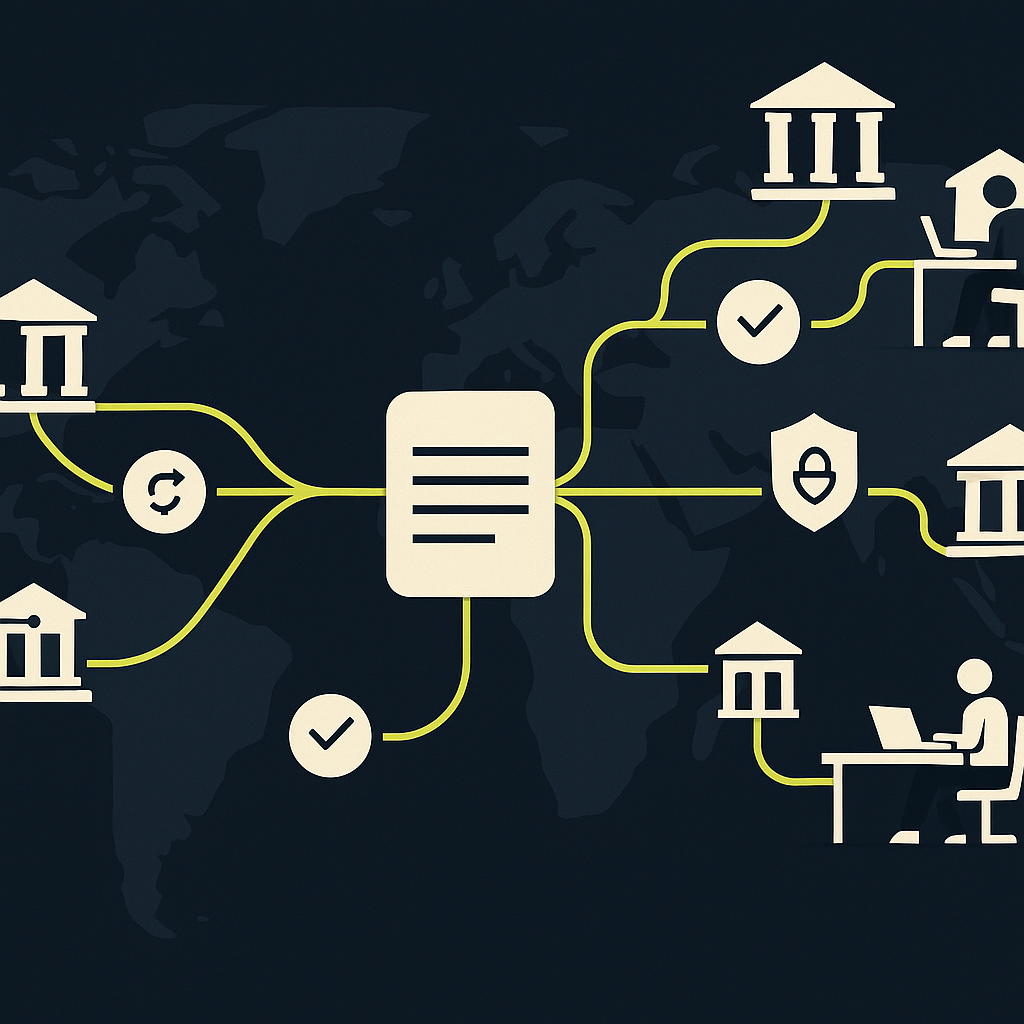
How to Pay International Contractors: A Country-by-Country Bank Payment Guide
A successful contractor payment delivers the agreed amount—not just a completed transfer instruction. Build a country-specific payment plan around bank details, currency, fees, and the date funds become available.

Payment Operations Analyst: Role, Skills, and Global Payout KPIs
A payment operations analyst keeps payouts moving and makes their status explainable. Here is how to scope the role, assess practical skills, and measure performance across currencies and payment rails.
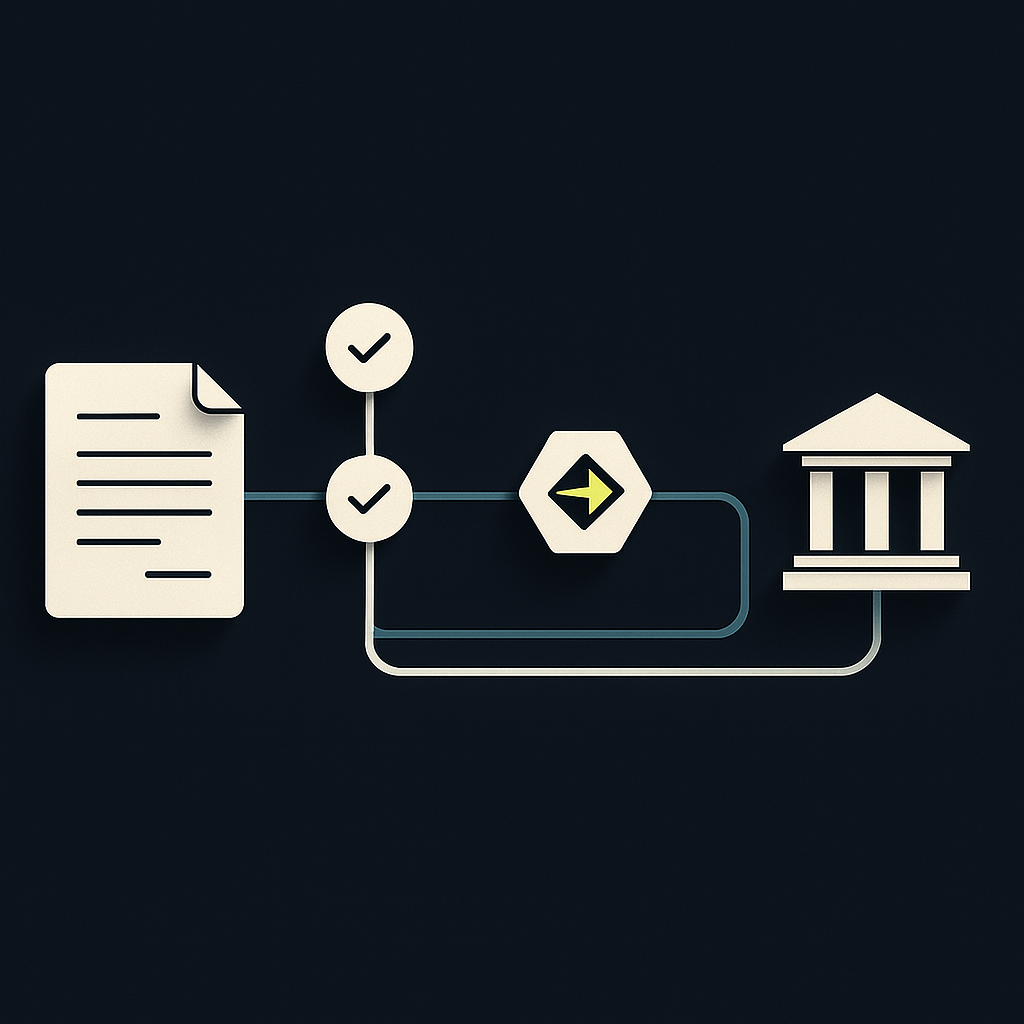
Contractor Payment Terms: From Contract to Cross-Border Credit
Net 30 is only part of the agreement. Learn how to define contractor payment terms that connect invoice acceptance, currency, fees, and payment completion across borders.
Run your entire money cycle on one ledger
Global payouts, AP/AR automation, and AI agents with their own wallets and spend limits.
Get started
Discussion
0 commentsBe the first to join the discussion.