

Pinterest Creator Fund: Eligibility, Grants, and Payout Limits
The Pinterest Creator Fund is a selective support program, not a universal payment for views. Here’s what the Inclusion Fund offers—and what platform teams can learn from its mix of monetary and noncash benefits.
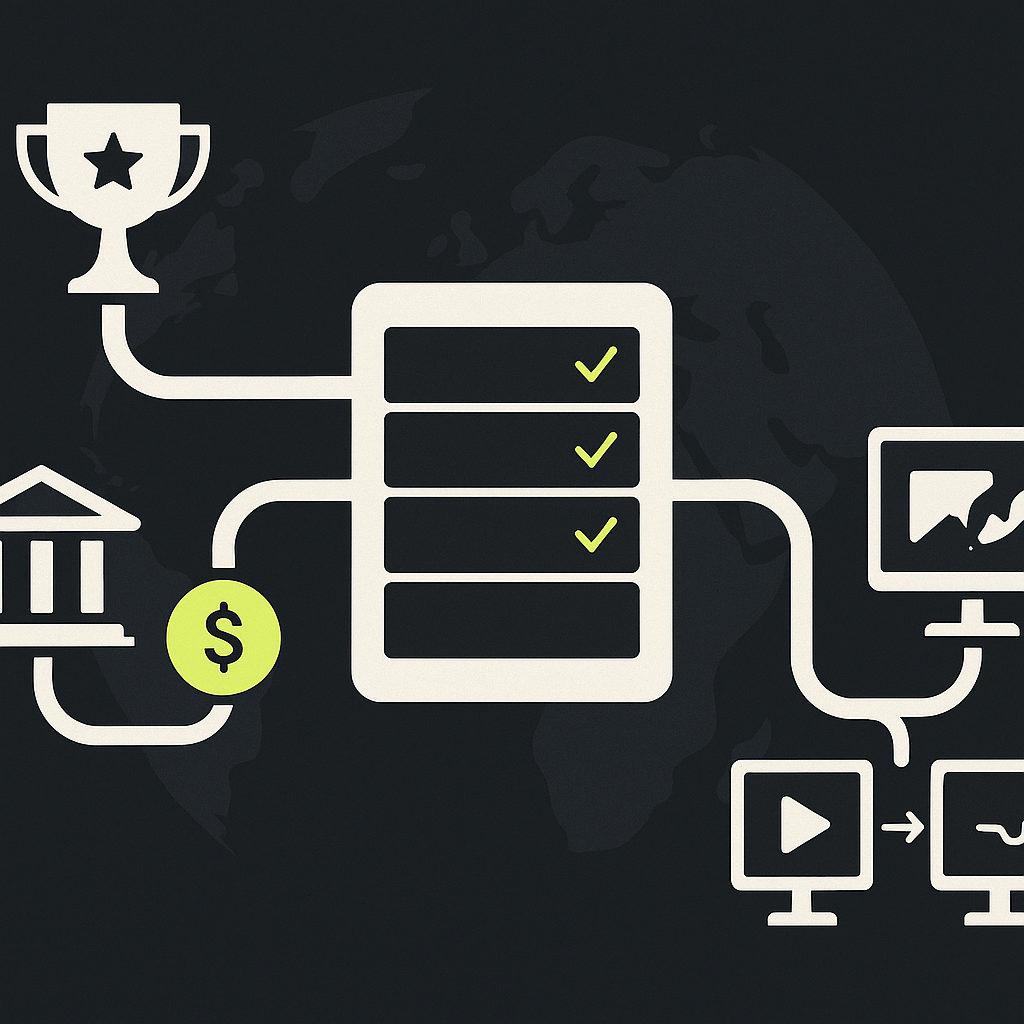
The Pinterest Creator Fund commonly refers to what Pinterest now calls the Inclusion Fund: an application-based program providing selected creators with monetary incentives, education, and support. It is not a universal per-view payout program, and it is separate from the discontinued Creator Rewards program.
As of October 15, 2026, the announced application window for the 2026 cohort has closed. Pinterest’s official Inclusion Fund announcement set the deadline at August 4, 2026, at 9 p.m. ET. It describes monetary incentives but does not publicly specify an award amount for that cohort.
For creators, the practical question is what an accepted applicant actually receives. For platform product and operations teams, the deeper lesson is how to turn a mixed support package into clear, auditable obligations without presenting every benefit as withdrawable cash.
Creator Fund, Inclusion Fund, and Creator Rewards: the distinction
Older articles often blend Pinterest’s creator-support initiatives together. That can lead readers to apply obsolete performance requirements to a selective grant program—or expect payments from a program that has ended.
Creator Rewards paid eligible participants for meeting specified content goals. It ended on November 30, 2022. The Creator Fund, now discussed under the Inclusion Fund name, is a different initiative focused on supporting selected creators from underrepresented backgrounds.
| Program or benefit | How it works | What not to assume |
|---|---|---|
| Creator Rewards | Historical rewards tied to content goals | That the program still pays creators |
| Inclusion Fund | Selective cohort support and monetary incentives | That every eligible applicant receives an award |
| Historical ad-credit benefits | Restricted advertising value | That credits can be withdrawn as cash |
| Education and community access | Training, coaching, and creator connections | That participation creates a cash entitlement |
Eligibility, selection, and payment are different events. Meeting application criteria does not mean a creator has been accepted. Acceptance alone also does not establish the amount, release date, or delivery method of a payment; those details need to come from the applicable award terms.
Who can apply for the Pinterest Inclusion Fund?
The 2026 program emphasizes emerging creators and content that supports Pinterest’s inclusive features, including skin tone ranges, hair pattern search, and body type ranges. Published criteria include legal residence in an eligible country, being at least 18, active content creation on at least two other social platforms, and availability for program sessions.
The stated content focus includes fashion, beauty, and lifestyle, with broader categories described for the cohort such as home, travel, gaming, and technology. Creators should check the requirements for their market rather than treating a category list from another country as definitive.
According to MediaPost’s reporting on the 2026 announcement, the program covers the United States, United Kingdom, Canada, Mexico, Brazil, Germany, France, India, Australia, and New Zealand, with New Zealand included for the first time.
Is there a minimum follower count?
The official 2026 material supplied for this article does not establish a specific public follower minimum. Do not import follower thresholds from Creator Rewards, another platform’s fund, or an older third-party application guide.
Likewise, an eligible country or content niche is not a guarantee of selection. This is a competitive cohort program, not an automatic monetization switch.
Can creators apply now?
The announced 2026 application period is closed. The available evidence does not confirm the next application window. Creators can prepare their portfolios and monitor Pinterest’s official program pages, but should not budget around an unannounced cohort or an assumed recurring deadline.
How much does the Pinterest Creator Fund pay?
There is no confirmed public award amount in the supplied official 2026 announcement. The widely repeated $25,000 figure is historical: an earlier official Pinterest Creator Fund post described a financial grant of $25,000 in cash and ad credits.
That wording matters. It describes a combined package, not necessarily $25,000 deposited into a creator’s bank account. It also does not establish the amount or benefit mix for a later cohort.
The 2026 announcement describes monetary incentives, coaching, training, collaboration opportunities, and access to Pinterest’s Create Community. Without the current award agreement, creators should not assume:
- A particular cash amount or cash-to-credit split.
- A monthly payment schedule or recurring entitlement.
- A specific payout provider, withdrawal threshold, or payment method.
- That advertising credits are transferable or redeemable for cash.
- That the amount received will be unaffected by applicable tax treatment or currency conversion.
Publishing successful Pins does not itself create a payment entitlement under the Inclusion Fund. Brand sponsorships, affiliate commissions, and sales generated through Pinterest traffic are separate commercial arrangements, with their own payers and terms.
The platform lesson: separate award value from cash payable
A creator-support package can combine cash, restricted promotional value, and services. A single headline value may help describe the package, but it is a poor substitute for a payment record.
The following recommendations are design principles for platforms building similar programs—not a description of Pinterest’s internal payment systems.
Maintain an award register before creating payments
Record each recipient’s cohort, applicable terms, award currency, cash component, noncash benefits, acceptance status, and any release conditions. Keep selection approval separate from payment authorization.
The register should answer a basic support question: What has this creator been awarded, and what is currently due? That requires more detail than a single “fund balance.”
For example, advertising credits should have their own issuance and redemption status. Coaching access needs a delivery record, not a bank-transfer status. Neither should increase the creator’s displayed withdrawable cash.
Separate program acceptance from payout readiness
A selected creator may still need to supply payment details or documentation. Show that as “payment setup required,” rather than implying that selection failed or money is already on its way.
A well-designed creator payment onboarding portal can collect the information required for the applicable jurisdiction and payout method. Collect sensitive documentation through a secure workflow, not through public application forms or informal messages.
Tax treatment needs its own review. Calling a transfer a grant does not, by itself, settle reporting or withholding obligations. Platforms should determine those obligations from the payment’s substance, the parties involved, and applicable law.
Track entitlement and delivery separately
Maintain one record for what is owed and another for attempts to deliver it. If a bank rejects a transfer, the award should not disappear—and retrying the transfer should not create a second award.
Use a stable award reference to connect payment attempts, returns, and reconciliation. A creator-facing status should distinguish an approved award, a payment awaiting release, a submitted transfer, and confirmed delivery where that confirmation is available.
For international cohorts, disclose payout currency, supported methods, expected fees, and conversion treatment before the creator chooses a method. The broader creator payouts guide explains the infrastructure behind that delivery layer.
A practical verification checklist
Before a creator counts an award as expected income—or an operator approves a similar program for launch—resolve these questions:
- Which program and cohort? Save the applicable announcement and terms; do not rely on a generic fund name.
- Is the application window open? Separate historical eligibility from a current opportunity to apply.
- What is cash, and what is not? Itemize monetary awards, advertising credits, and services.
- What creates the payment obligation? Identify acceptance requirements and any conditions explicitly stated in the agreement.
- How will payment arrive? Confirm method, currency, timing, documentation, and responsibility for fees.
- What happens if delivery fails? Provide a secure correction process and a support reference tied to the award.
Build the payment promise around the actual award
The Pinterest Creator Fund is best understood as selective creator support through the Inclusion Fund—not a standing promise to pay for views. The current public evidence establishes a closed 2026 application window and monetary support, but not a confirmed award amount or payout schedule.
For platform teams, the actionable lesson is to make every benefit explicit and every cash obligation traceable. Once award terms, recipient readiness, and release conditions are defined, explore Payouts.com’s payout automation to support payment delivery. Automating the transfer is valuable; first, make sure the system knows exactly what the creator is owed.
Created with AI assistance. Sources are linked in the article; this content is general information, not legal, tax, or financial advice.
Discussion
4 commentsRelated resources
Creator Payouts: How Platforms Can Pay Millions of Creators Fast, Globally, and Compliantly
Paying creators at scale is one of the most operationally complex challenges in fintech today. Here's how modern platforms are solving it — from multi-currency rails to automated tax compliance.
Creator Payment Onboarding Portal: How to Build a Self-Serve Flow That Collects Tax Docs, KYC, and Payout Preferences Before Day One
A poorly designed creator onboarding flow creates compliance gaps, delayed payouts, and frustrated talent. Here's a practical blueprint for building a self-serve portal that gets tax documentation, identity verification, and payout preferences locked in before Day One.
Facebook Marketplace Payout Pending: When to Wait or Escalate
A pending payout is not proof that a bank transfer has started. Learn when to wait, when to act, and what evidence sellers and platform support teams need to resolve the next step.
Run your entire money cycle on one ledger
Global payouts, AP/AR automation, and AI agents with their own wallets and spend limits.
Get started
"Publishing successful Pins does not itself create a payment entitlement" - this should be in bold at the top of every creator economy article. The number of payment ops conversations I've had where someone assumes content performance automatically triggers a payout is wild.
Same experience here. We built a creator payout module last year and had to add a whole reconciliation layer just to show people that content metrics don't equal approved payable amounts. The entitlement logic sits upstream of payment processing, but nobody reads the program terms until their expected deposit doesn't arrive.
I'm curious how Pinterest handles the tax reporting on the ad credit portion of the package. If you're giving a creator $25k in total value but only $15k is cash and $10k is restricted credits, do you issue a 1099 for the full amount or just the cash? We faced this with SaaS credits in our referral program and ended up having to gross up because recipients were on the hook for taxes on value they couldn't actually withdraw.
The distinction between the award register and payment authorization is exactly the right call. We built a similar two-gate system for our partner incentive program after support got flooded with 'where's my money' tickets from people who were nominated but not yet approved. Separating eligibility, award, and payment status in three separate tables saved us so much reconciliation pain.