

TikTok Creator Fund Australia: Plan Income, Not Rumours
Australian creators should not forecast Creator Rewards income without confirmed account eligibility. For platform teams, the lesson is to separate programme access, approved earnings, and payment delivery.
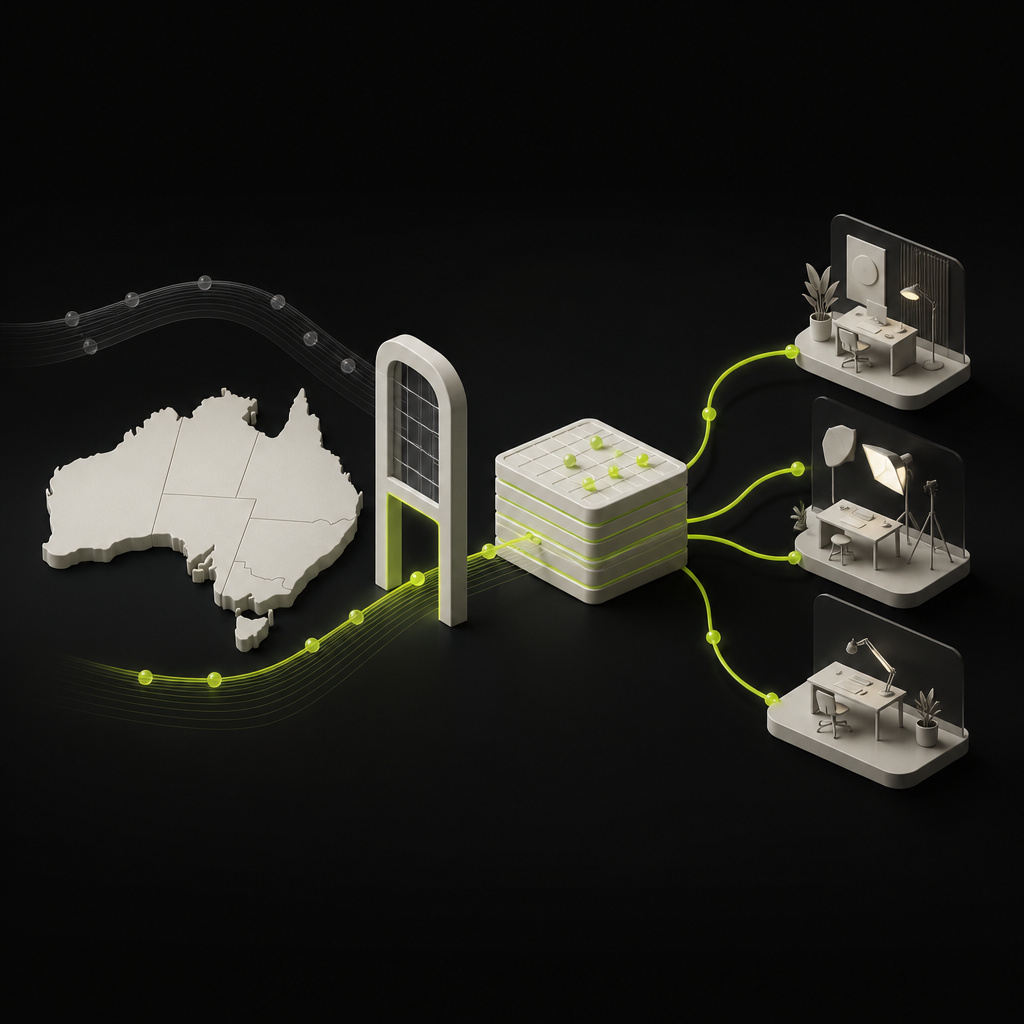
Do Australian creators have access to the TikTok Creator Fund? The original Creator Fund is a legacy programme, and the research available as of 25 October 2026 does not establish a confirmed Australian launch of its successor, the Creator Rewards Program. Do not budget for that income unless TikTok’s current terms and your account’s enrolment status confirm access.
In November 2024, a TikTok Australia spokesperson told Yahoo Finance that Creator Rewards was unavailable in Australia, with no plans to introduce it “this year or next year.” That statement covered the position at the time and plans for 2025; it does not establish permanent exclusion or conclusively settle availability in October 2026.
For creators, the practical question is what income they can reliably plan around. For creator-platform product and operations teams, Australia illustrates a broader distinction: supporting payments into a country is not the same as letting creators in that country earn under a particular programme.
Separate the programme name from the earning promise
“TikTok Creator Fund Australia” remains a common search phrase, but it can refer to different things: the original fund, its successor, or simply any way to earn money through TikTok.
TikTok began winding down the original fund in certain markets in December 2023. Forbes Australia’s reporting on that transition described the move towards the Creativity Program and longer videos. The relevant successor is now called the Creator Rewards Program.
That naming history matters because an old eligibility guide, a current brand sponsorship payment, and a Creator Rewards dashboard do not prove the same thing. A screenshot showing someone received money from TikTok does not, by itself, establish that Australian accounts can enrol in Creator Rewards.
Use an evidence hierarchy:
- Current programme terms: establish the relevant jurisdiction and account requirements.
- Account-level enrolment: confirms whether the particular creator has been accepted.
- Programme-specific earnings records: show what that account has actually earned.
- Third-party guides and social posts: provide leads to investigate, not authority to promise income.
TikTok Discover pages aggregate user content. Their titles are not equivalent to an official programme announcement.
Build an Australian income plan around the actual payer
The absence of confirmed Creator Rewards access does not mean Australian creators cannot earn through their audiences. It means each revenue stream needs its own eligibility check, commercial terms, and payment evidence.
Brand partnerships and sponsored content
For a sponsorship, the payment obligation comes from the agreement with the brand, agency, or intermediary—not automatically from TikTok. Establish who owes the money, what deliverables trigger approval, and when payment becomes due.
Usage rights, exclusivity, revisions, and cancellation terms can materially affect the value of the deal. A quoted fee is less useful for cash planning if acceptance criteria or the payment deadline remain undefined.
Affiliate commissions
An Australian creator may be able to work with an external affiliate programme, subject to that programme’s terms. This is not evidence that any specific TikTok-native commerce or affiliate feature is available in Australia.
Track pending commissions separately from approved commissions. Returns, cancellations, and validation rules may affect what becomes payable.
Gifts, subscriptions, and other native features
Check each feature separately in the account and its applicable terms. Access to one monetisation feature does not establish access to another. Avoid treating viewer spending, virtual rewards, and creator cash proceeds as interchangeable amounts.
For any available feature, verify conversion rules, deductions, payout requirements, and the currency shown. Do not import a withdrawal threshold or payment schedule from a different programme or market.
Use separate statuses for eligibility, earnings, and cash
A useful planning model has distinct stages rather than a single “monetised” flag. The following is a recommended operating model for creator platforms, not a description of TikTok’s internal systems.
| Stage | Evidence required | Planning treatment | Creator-facing message |
|---|---|---|---|
| Availability unconfirmed | Current country-specific terms | Exclude from base cash forecast | Access not confirmed |
| Eligible, not enrolled | Requirements met; acceptance pending | Scenario only | Application or enrolment needed |
| Estimated earnings | Recorded qualifying activity | Forecast with adjustment risk | Estimate, subject to review |
| Approved payable | Validated amount and payee | Plan against release conditions | Approved; release conditions shown |
| Payment submitted | Payment reference and status | Track cash in transit | Sent, not yet confirmed received |
| Payment completed | Completion evidence from payment channel | Reconcile against payable | Completed with reference |
These are operational planning categories, not a substitute for accounting policy. Revenue recognition and tax treatment require their own assessment.
For Australian Creator Rewards planning, the key mistake is jumping from public speculation directly to estimated earnings. A view count cannot establish an entitlement under a programme whose availability and account acceptance have not been confirmed.
What platform teams should build differently
Keep country eligibility separate from payment coverage
A platform might support Australian bank destinations while restricting a particular incentive programme to other jurisdictions. Store those decisions independently. Country support should be evaluated for the specific programme and payee, not inferred from a payment provider’s coverage map.
Record the applicable programme terms, effective date, eligibility decision, and reason. When availability changes, retain the historical decision rather than silently rewriting it. That helps support teams explain why activity during one period was treated differently from later activity.
Make uncertainty visible before creators invest effort
“You can receive payouts” is misleading if the creator cannot earn under the programme being promoted. Onboarding should explain which earning opportunities are available, which need approval, and which remain unavailable or unconfirmed.
Balance screens should also distinguish estimates from approved amounts. This is part of building a marketplace payout experience that matches the platform’s actual commitments, rather than asking support teams to explain ambiguous promises later.
Do not let a new payment method override programme policy
A foreign receiving account, wallet, or different payout rail does not establish residency or programme entitlement. Do not recommend inaccurate account information or location workarounds as an eligibility solution.
Payment routing belongs downstream of a valid earning decision. It determines how an approved obligation is delivered—not whether that obligation exists.
A practical verification and forecasting checklist
- Name the revenue stream. Specify Creator Rewards, sponsorship, affiliate commission, or another feature. Avoid a generic “TikTok income” forecast line.
- Confirm current Australian availability. Check TikTok Studio and the applicable terms. Record the date and retain the relevant evidence.
- Confirm account acceptance. Meeting audience or content requirements is not the same as being enrolled.
- Identify the payer. Determine whether TikTok, a brand, an agency, or an affiliate network owes the money.
- Identify the approval event. Establish what turns activity or a deliverable into an approved amount.
- Verify payment conditions. Check currency, deductions, release rules, required documentation, and the supported receiving method.
- Separate the base case from upside. Keep unconfirmed programme launches outside committed cash forecasts. Maintain supporting records for accounting and tax review.
Hypothetical example: an Australian creator has a signed sponsorship agreement and sees a viral claim that Creator Rewards has launched locally. The sponsorship can enter the cash forecast according to its acceptance and payment terms. The alleged rewards opportunity stays outside the base forecast until official terms and account enrolment confirm access. Neither a large audience nor a working bank account closes that evidence gap.
Confirm the earning right, then optimise the payout
The responsible answer is not to promise an Australian launch or declare permanent exclusion. It is to distinguish the dated exclusion statement from current, account-specific confirmation—and plan income accordingly.
For platforms, audit the promises shown to Australian creators before changing payment rails. Once earnings are valid and approved, Payouts.com’s creator economy solutions and payout automation address the downstream money-movement workflow. Payment infrastructure can deliver an approved obligation; it cannot confer TikTok programme eligibility.
Created with AI assistance. Sources are linked in the article; this content is general information, not legal, tax, or financial advice.
Discussion
36 commentsRelated resources

Marketplace Payout: Build a Seller Experience You Can Honor
A reliable marketplace payout starts before money moves. Learn how to connect seller balances, withdrawal rules, payment methods, and exception handling into a promise your platform can keep.

High Affiliate Commission: Design for Margin and Partner Value
A high commission rate is only valuable if it produces sustainable earnings and collectible cash. Here is how platforms can design competitive affiliate offers without losing control of margins or payout obligations.

Hostinger Affiliate Commission: Rates, Eligibility, and Payout Gates
Hostinger’s headline commission rate is only part of the earnings equation. Product eligibility, attribution, approval, and payment-method thresholds determine what actually becomes payable.
Run your entire money cycle on one ledger
Global payouts, AP/AR automation, and AI agents with their own wallets and spend limits.
Get started
The Australia-specific November 2024 spokesperson quote is a good example of why we started time-stamping all external eligibility citations in our internal docs. A 'no plans for 2025' statement doesn't age well when you're planning in late 2026, and it's too easy for support teams to cite outdated guidance as if it's current policy.
We do the same now but also flag when the cited source is a spokesperson quote vs. published terms. Quotes give you directional intent but they're not binding the way published eligibility criteria are, and the expiry risk is different.
We went a step further and added an expiry field to any citation that includes forward-looking language. If a quote says 'no plans for 2025' we force a review flag in Q1 2025, otherwise support just keeps citing it forever.
The 'payer' section is the key one for finance teams. We run a marketplace and it still surprises me how many sellers think we owe them money when the actual contract is with the brand. We've started putting 'Expected payer: [Entity name]' directly in the deal summary screen because disputes were eating up so much support time.
That's smart. We also surface payer entity early but still get confusion when the brand pays via an agency. Now we show both the contractual payer and the actual remitter if they differ, which cut down support tickets significantly.
We did something similar but went further and added a mandatory 'Payment source' dropdown at deal creation with only three options: Platform, Direct from brand, or Third party. Forces the conversation up front before anyone starts counting the money.
The naming history point is something we dealt with when Uber rolled out different driver incentive programs under similar names across regions. We ended up storing a program_code and market_code pair in every transaction record because the label alone didn't tell us which terms applied or which rates were valid for reconciliation.
We do the same with program_code plus a version timestamp, because even within the same market the rate card or minimum payout threshold can change mid-quarter and you need to know which ruleset applied when the transaction was recorded.
We use the same pattern but also add a program_version field because the terms for the same program_code can change mid-quarter. Helped us a lot when we had to explain why two drivers in the same market earned different rates during a transition period.
The historical decision point is critical. We had a creator dispute last quarter where they screenshotted old earnings from a discontinued program and expected the same rate structure. Because we hadn't stored the program version or effective date against each transaction, we had no clean way to show why October payouts used different validation rules than March. Now we version every program change with a distinct identifier.
We fixed this by storing the program version ID and rate schedule as JSON metadata on each transaction row. Not perfect but at least we can pull the exact terms that were live when the earning was recorded. Also helps with annual reconciliation when you need to explain why Q1 and Q4 had different thresholds.
We went through the same retrofit. The cleanest solution we found was adding a program_snapshot table that captured the full ruleset (version, rates, thresholds, currency) and linking every transaction to a snapshot ID. Expensive to backfill but it ended disputes immediately.
The stage model is useful but in practice we collapse 'eligible not enrolled' and 'estimated earnings' into a single holding state because showing creators an earnings estimate before they've even enrolled creates support load when the estimate changes or they can't actually enroll.
That makes sense for UX but we keep them separate in the backend because our approval rate varies by country and we need to track how many creators hit eligibility criteria versus how many actually get accepted. The collapsed view works for the creator but finance needs both states to model payout liability accurately.
We split them in the backend for the same reason but surface it differently depending on approval rate. If a program has >95% auto-approval we show the estimate immediately, otherwise we gate it behind enrollment confirmation. Keeps the data model clean and reduces refund expectation issues.
The sponsorship section is the most underrated part here. We see creators all the time who treat a verbal brand agreement as booked revenue, then the campaign gets revised or cancelled and suddenly their forecast is off by 30%. Payment obligation, acceptance criteria, and actual due date need to be in the contract before you plan around it.
We added a 'pending client approval' status for exactly this reason. Campaign goes into that bucket the moment deliverables are submitted, stays there until we have written sign-off, then moves to approved payable with a contracted payment date. Cuts down disputes and also makes the creator's cash forecast actually useful.
We track this now as three separate dates: quote date, deliverable approval date, and contractual payment due date. The gap between the first and third can be 60+ days, and if the creator is booking revenue at quote time their cash plan is essentially fiction.
The stage table is useful but I'd add one more column: the tax reporting trigger. In our platform we've had creators plan cash around estimated earnings then get surprised when we issue a 1099 or local equivalent at the approved stage, not the paid stage, which moves their liability forward by weeks or months depending on when the actual transfer clears.
Good point. We ended up splitting tax reporting into a separate workflow entirely because the trigger varies by jurisdiction and treaty status. For US creators it's approved amounts over the threshold, but for some international payees we report on actual remittance because of withholding. Adding it to the earnings stage table created more confusion than it solved.
Good point. We ended up splitting tax reporting into a separate workflow entirely because the timing varies by jurisdiction and sometimes by payment method. For us the trigger is when the amount becomes legally payable under the contract, which doesn't always line up with platform approval status.
The distinction between payment channel coverage and program eligibility is something we learned the hard way when rolling out creator payouts in APAC. We had Payoneer configured for 15 countries but only launched the incentive program in 4, and support was overwhelmed with tickets from creators who could see the payment settings but couldn't enrol. Now we gate the entire dashboard section by program eligibility first, then show payment setup only after acceptance.
We solved this by adding a program-level eligibility check before the payment setup flow even starts. Creators in non-launch countries never saw the payout form, which cut ticket volume by about 60% in the first month.
We handled this by making the program enrollment step blocking before any payment method setup appears. Cut support volume by about 60% because creators in unsupported countries never saw the payout config at all.
The three-tier separation (programme access, approved earnings, payment delivery) is something we built after migrating our creator payouts from a single 'monetised yes/no' flag. The old model broke down completely when we expanded to LATAM because payment rail availability had nothing to do with which revenue programmes were live in each country. Now we store programme eligibility at the country-programme level with an effective date range, and it's saved us from at least four support escalations this quarter where creators assumed payout support meant automatic programme enrolment.
Same experience when we launched in Brazil and Mexico. The hardest part was retrofitting historical data because we had no record of why certain accounts were excluded in certain months. Now we version the eligibility rules with effective dates so we can replay decisions.
We hit the same issue. The payment provider's country list became the assumed program eligibility list, which created a support nightmare when creators in newly-covered countries couldn't understand why they still weren't accepted into earning programs.
The evidence hierarchy table is exactly what we should be using for any marketplace revenue forecast. We see the same pattern with Stripe Connect platforms—creators assume that because payouts work in their country, they're automatically enrolled in every earnings program. Those are separate eligibility checks and we've had to build dashboards that show status at each stage or support gets flooded.
We run into the same thing with Wise transfers. Just because we can send AUD to Australian accounts doesn't mean we've launched the incentive tier there. The hardest part is keeping the support team aligned on that distinction when creators escalate.
We had this exact confusion with our marketplace when we added Stripe in Brazil but restricted certain incentive programs to US and EU. Support tickets kept pointing to the payment setup page as proof they should be earning bonuses. Now we show program eligibility and payout capability on completely separate screens.
Question on the operational model: when you say 'approved payable' should have a distinct status from 'estimated earnings', are you assuming the platform runs its own validation layer before sending to the payment rail? We treat anything post-validation as committed for cash planning purposes, but if the program itself has multi-stage review (fraud, content policy, engagement thresholds) that's a different animal.
Yes, that's the model. We hold anything that hasn't passed validation in a separate bucket and only commit cash planning once it moves to payable. The article's point is that creators often conflate views with approved earnings, so the platform state machine needs to be explicit about what's actually owed versus what's still conditional.
Yes, that's the model. We hold anything that hasn't passed validation in a separate bucket because program rules can disqualify activity retroactively—especially for view-count thresholds or content policy violations. Approved payable means the platform has decided the money will be released, subject only to payment mechanics and any outstanding tax or compliance checks.
this is why we stopped calling anything a 'fund' in our product. the name implies a guaranteed pool of money when it's really just conditional program access with a payout IF you meet criteria that can change. better to be explicit: application, acceptance, activity, review, approval, release.
We did the same renaming exercise last year. Moved to 'earnings program' with explicit status labels at every stage. Cut support tickets in half because creators stopped assuming acceptance meant immediate payment.
Same lesson here. We also split the UI so creators see 'program status' separate from 'pending balance' and 'available balance'. Cuts down support tickets because they stop assuming enrollment equals immediate cash.