

Facebook Marketplace Payout Pending: When to Wait or Escalate
A pending payout is not proof that a bank transfer has started. Learn when to wait, when to act, and what evidence sellers and platform support teams need to resolve the next step.
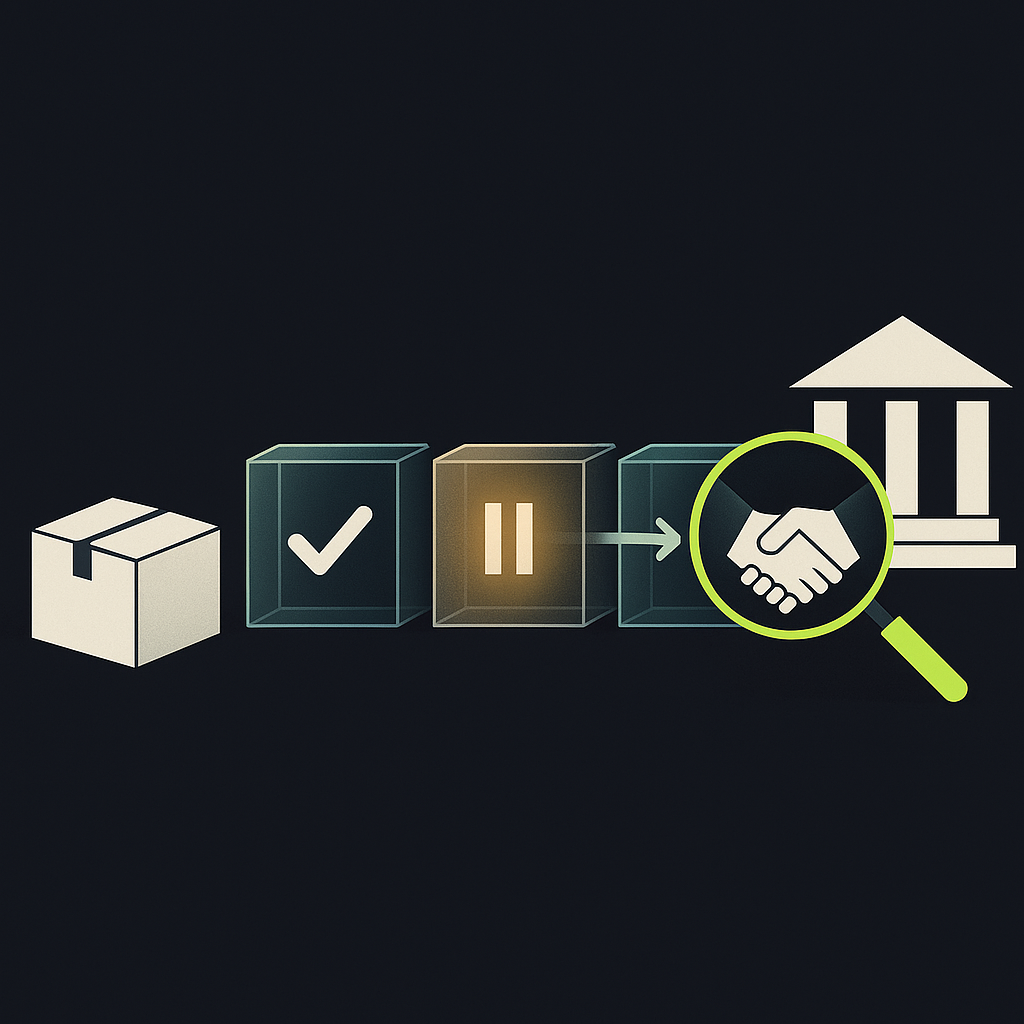
If your Facebook Marketplace payout is pending, first check the order and payout records for an action-required notice, a release date, or evidence that the transfer has actually started. Pending alone does not tell you whether Facebook is waiting on delivery, reviewing your payout account, or processing a payment. Complete any explicit requirements through your signed-in account, then escalate if the displayed date passes without progress.
This guide concerns shipped orders paid through Facebook Marketplace's integrated checkout, where available—a model primarily associated with U.S. sellers. A local cash sale does not create a Meta-managed payout. Payments arranged through another service must be checked with that service. Facebook privacy-settlement payments and creator earnings are separate workflows.
For marketplace product and operations teams, the same problem carries a broader lesson: an ambiguous status creates support work. The useful question is not simply how long a payout takes, but what evidence determines who must act next.
What “pending” does—and does not—tell you
Think of a seller payout as separate events: the order becomes eligible for payment, the platform releases funds, a payment provider processes the transfer, and the receiving account is credited. A delay before release is different from a transfer that has already left the platform.
The third-party Hustle Got Real payout-pending guide identifies bank issues, transaction holds, tax requirements, and seller verification as possible causes. Those are troubleshooting categories, not proof of the cause affecting your account.
Read the exact wording beside your payout. Do not treat “pending,” “on hold,” “pending verification,” and “processing” as interchangeable. Likewise, completed identity verification does not establish that an independent bank-account or payout review has finished.
| What you can see | What remains unproven | Useful next step |
|---|---|---|
| Order delivered; payout pending | Whether release conditions are complete | Check payout notices and expected date |
| Action required or verification notice | Whether the account can receive payouts | Complete the specified requirement |
| Hold with a release date | Whether another restriction also applies | Record the date and remaining notices |
| Processing or transfer initiated | Whether the bank has credited funds | Find the transfer date and reference |
| Paid, but no bank credit | Destination and final receipt | Request transfer details for tracing |
| No payout record | Whether Meta handled the payment | Confirm the original checkout method |
This is an evidence checklist, not an official dictionary of Meta status labels. Interface wording and available payment features can vary.
When should you wait, act, or escalate?
Wait when there is a documented next event
Waiting is reasonable when the account shows an expected release or arrival date that has not passed, with no unresolved action required. Check whether that date refers to payout initiation or receipt in your bank account. Those are different milestones.
OneShop's older Marketplace shipping guide describes payout timing tied to delivery and tracking information. It helps explain why the sale date alone is an unreliable starting point, but it should not be treated as a current payment guarantee.
The available research does not include a directly retrieved official Meta policy page, and third-party timing descriptions differ. Use the current guidance shown inside your account and the Help Center reached from Facebook. Do not interpret an online day-count as an unconditional deadline covering reviews, disputes, or payment exceptions. Weekends and bank holidays can also affect bank processing.
Act when Facebook specifies a requirement
Look for requests concerning identity, tax information, or payout-account details. Follow the requirement actually shown; do not assume every seller needs the same document or tax form. Country, account type, and the applicable payment program matter.
Check that your payout destination and legal details are accurate. If something is wrong, correct it through the authenticated workflow. Avoid repeatedly switching accounts or resubmitting unchanged information as a troubleshooting tactic: it can complicate the review history rather than establish what happened.
Escalate when the next event is overdue or unexplained
Contact support when the displayed date passes without an update, a requirement cannot be completed, or a completed requirement leaves the payout blocked without an explanation. If no date is provided, ask what condition controls release rather than guessing how much longer to wait.
Ask the platform first if there is no evidence of a transfer. If a transfer has been initiated, obtain the destination details and a payment reference, if available, so the receiving institution has something concrete to investigate.
A checklist before contacting support
- Confirm the payment route. Establish that the buyer paid through Marketplace checkout rather than cash or a separate payment app.
- Record the exact status. Save the wording, the date you checked, and any expected release or arrival date.
- Connect the order to the payout. Capture the order identifier, payout identifier if available, amount, and currency. Note whether the payout includes other orders.
- Preserve fulfillment evidence. Keep the carrier, tracking number, and delivery event. Check whether Facebook's order record reflects that event.
- Check outstanding requirements. Record any identity, tax, account, or transaction-review notice and whether it is submitted or completed.
- Note relevant account changes. Include when payout details were last changed, if applicable. Do not make another edit merely to test the system.
- Check the destination safely. Compare masked account details and relevant bank activity. Never include passwords, one-time codes, or full bank credentials in a support message.
Open Facebook directly to access support and document-upload workflows. Do not send identity documents to unsolicited contacts offering to unlock funds.
A support request that asks an answerable question
My Marketplace order [order identifier] is linked to payout [identifier, if available]. The payout shows “[exact status]” as of [date]. The displayed expected date is [date, or none shown]. Tracking records delivery on [date], and my account shows [outstanding requirement or no visible requirement]. My payout details were last changed on [date, if relevant]. Has this payout been released? If not, what condition remains outstanding and who needs to act? If released, please provide the initiation date and an available transfer reference.
This separates a request to release funds from a request to trace funds already sent. It also reduces repeated exchanges about information you have already provided.
What platform teams should learn from pending payouts
The operational issue is not always slow money movement. Sometimes it is missing evidence at the handoff between order management, risk review, payments, and support. A seller sees one label while different teams own different conditions.
Make pending states explainable without exposing risk controls
A useful seller-facing status should communicate the current stage, whether action is required, the last meaningful update, and the next expected event. Platforms can disclose “account review in progress” without revealing fraud-detection rules. If an estimate is unavailable, say so rather than displaying an unsupported arrival promise.
Internally, maintain separate records for order eligibility, account restrictions, payment attempts, and receipt evidence. The distinction between a seller's entitlement and the movement of funds is also central to marketplace split-payment reconciliation.
Route support by the missing event
Use an explicit ownership model: fulfillment owns missing delivery evidence; compliance owns incomplete verification; payment operations owns release and provider exceptions; bank tracing follows evidence of an initiated transfer. For platforms evaluating tax documentation and identity-verification workflows, completed checks should remain distinguishable from unresolved payout restrictions.
Track time spent in each state rather than only total payout duration. Also distinguish cases requiring seller action from cases awaiting internal action. That makes it possible to improve the actual bottleneck instead of sending every seller the same “please wait” response.
Resolve the next event, not just the status label
A Facebook Marketplace payout pending message is a starting point, not a diagnosis. Confirm the payment route, preserve the exact status, complete visible requirements, and ask support whether the money is awaiting release or already in transit.
For platforms paying many sellers, the next step is to audit what recipients can learn from every pending state. When evaluating Payouts.com payout automation, include status visibility, exception ownership, and reconciliation in the requirements—not just payment-method coverage. Payouts.com does not resolve or release Facebook-held funds; the relevant application is building clearer payout operations on your own platform.
Created with AI assistance. Sources are linked in the article; this content is general information, not legal, tax, or financial advice.
Discussion
5 commentsRelated resources
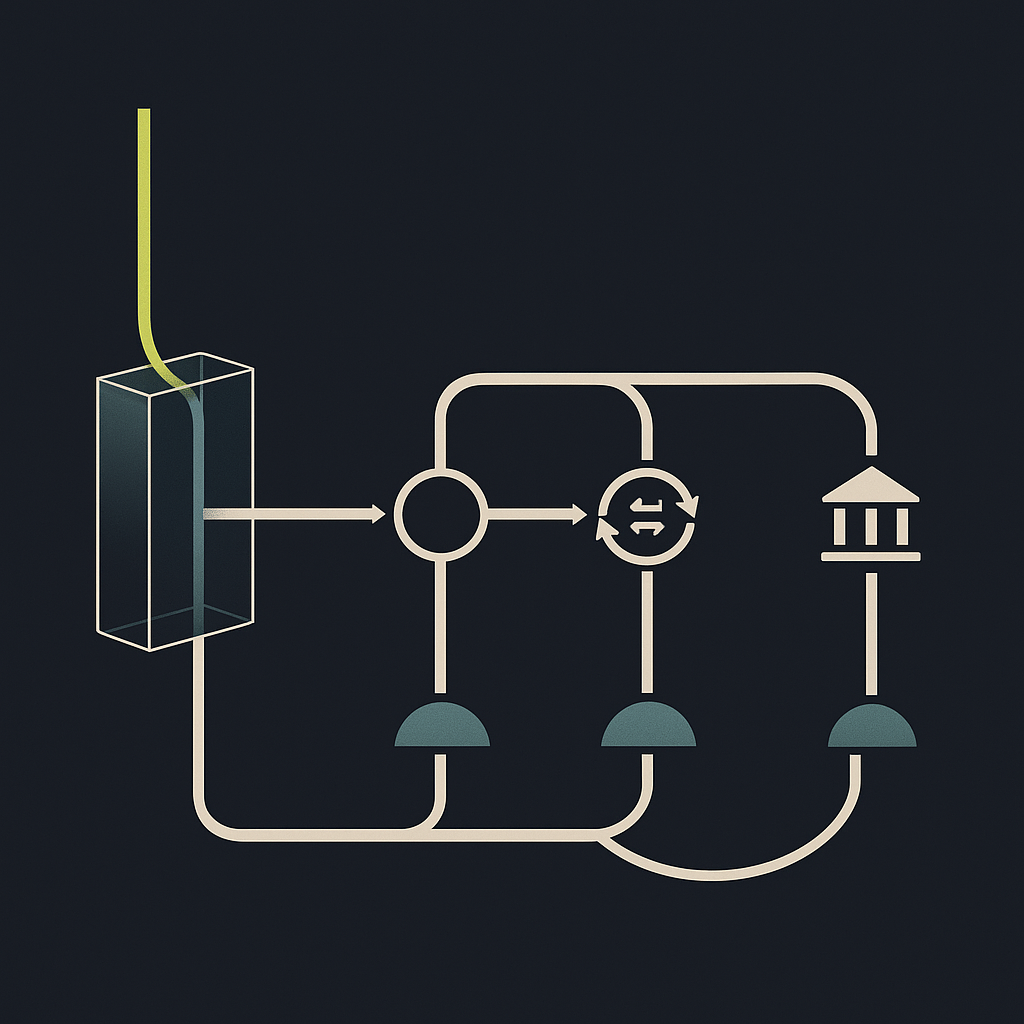
Marketplace Split Payments: From Checkout to Seller Settlement
Splitting a checkout payment is only the start. Build a marketplace money flow that keeps seller entitlements, release conditions, FX, and refunds connected through settlement.

Pinterest Creator Fund: Eligibility, Grants, and Payout Limits
The Pinterest Creator Fund is a selective support program, not a universal payment for views. Here’s what the Inclusion Fund offers—and what platform teams can learn from its mix of monetary and noncash benefits.

Facebook Creator Fund: Programs, Eligibility, and Pay
“Facebook Creator Fund” is shorthand for several different earning opportunities—not one universal fund. Here’s how to distinguish performance earnings, temporary guarantees, and the payout rules that turn them into cash.
Run your entire money cycle on one ledger
Global payouts, AP/AR automation, and AI agents with their own wallets and spend limits.
Get started
appreciate the table breaking out what you can see vs what remains unproven. we automate payout reconciliation for a few smaller platforms and the number of sellers who treat 'pending' as 'sent to my bank' is staggering
Same issue on our end. We built a status mapper that translates various platform states into one of four actual actionable states (awaiting release, in transit, settled, or investigate). Anything less than that and you get hammered with tickets from sellers who think their money left when the order shipped.
The distinction between 'payout released' and 'transfer initiated' is something we wrestle with constantly when reconciling AR for our own marketplace. Too many sellers call us when the status changes but the money hasn't hit their account yet, and we're stuck explaining ACH timing. Would love to see Facebook expose the actual transfer reference number earlier in the process instead of making sellers escalate first.
We ended up adding a second timestamp field in our schema specifically for 'initiated' vs 'available' so reconciliation doesn't depend on sellers interpreting status text. Still doesn't fix the support volume but at least our finance team knows what to expect.
This checklist approach is solid but it assumes the platform UI actually surfaces these states clearly. In my experience with marketplace integrations, half the battle is that the seller-facing dashboard shows one thing and the API returns different status codes entirely. Have you run into cases where the payout record just disappears from the UI during a review hold?